



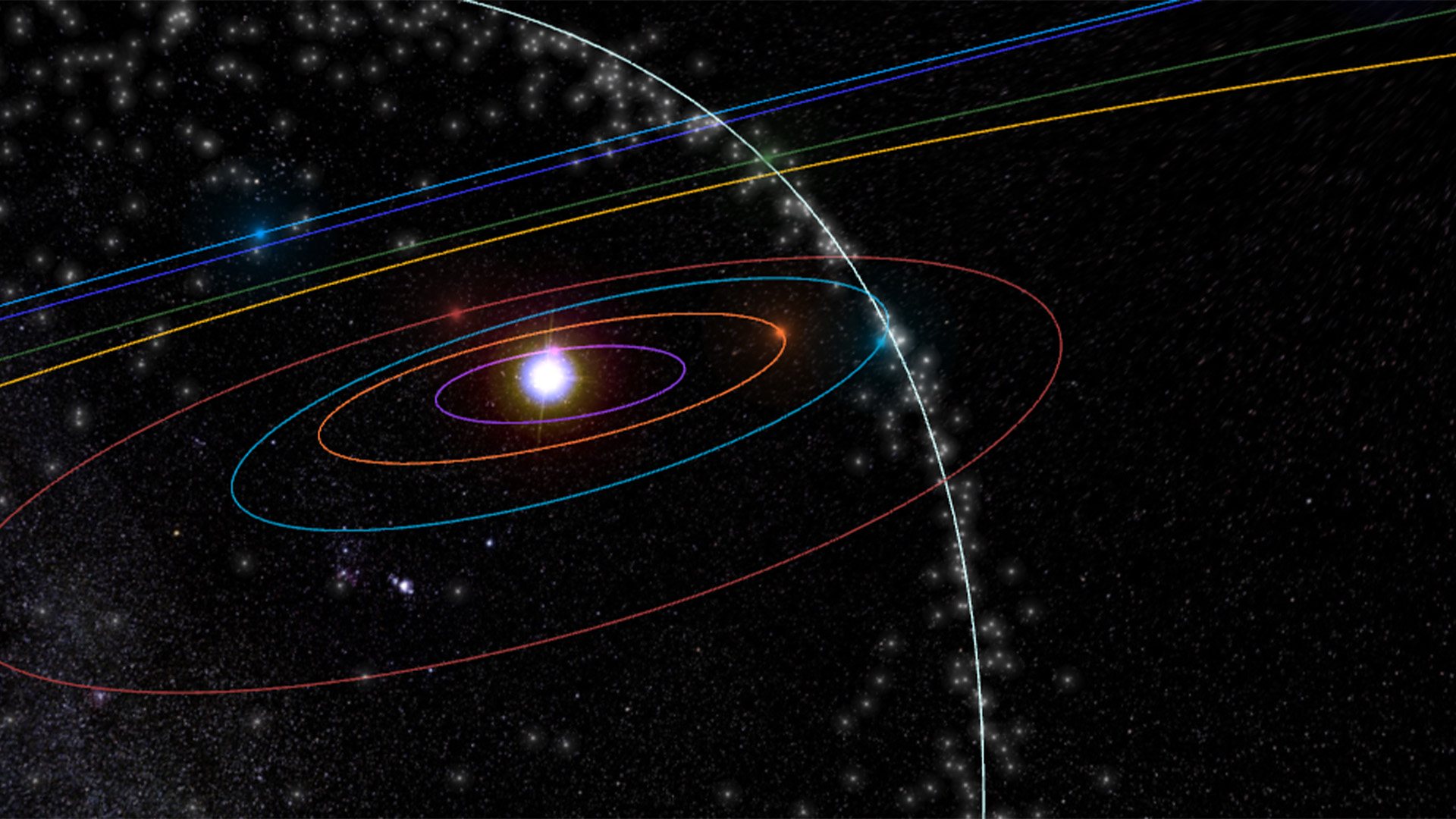
Perseids is one of the biggest meteor showers of the year and one of the most popular since it takes place in summer, and it’s been reliably active for centuries. Many people make it out to a viewing site and spend hours enjoying a live view of the meteors. But if you can’t, NASA is hosting a livestream of the Perseids meteor shower this year.
The livestream starts at 9 p.m. PT on Wednesday on YouTube. NASA is showing real-time sky imagery from its Automated Lunar and Meteor Observatory at the Marshall Space Flight Center in Huntsville, Alabama. The livestream will be hosted by meteoroid experts from Marshall, as well as several guest speakers who will talk about the meteor shower, its history and other fun facts.
Perseids began its 2026 show on July 17, and it continues until Aug. 24, so if you’ve seen a meteor in the night sky here recently, there’s a good chance it was Perseids. The meteor shower peaks on the evening of Wednesday and into Thursday, which is the best part. NASA says that Perseids can output anywhere from 50 to 100 meteors per hour during the peak, which averages out to more than one per minute.
NASA hasn’t announced how long the stream will last, but the stream’s name, Up All Night, suggests it’ll last for quite a while. It may be the best way for early birds to experience Perseids after waking up.
This Perseid fireball was seen over a lake in Ontario around dusk. “It was hot and muggy even after the sun went down, with lots of haze on the horizon but this Perseid was so bright it didn’t matter,” photographer Malcolm Park said.
Spaceweather.com/Malcolm Park
A full schedule of live streams for NASA
NASA typically simulcasts its streams across its YouTube channel, Twitch channel and NASA Plus, which is often also streamed on Netflix. However, Wednesday is chock-full of interesting things to look at, including a solar eclipse and even a planet parade. It seems NASA’s strategy is to divide and conquer, so the Perseids stream is only appearing on YouTube.
The agency is also hosting a livestream for the solar eclipse on NASA Plus, Netflix, X, Amazon Prime and YouTube on Wednesday. The solar eclipse lasts all day and is visible to the northern third of the US. Those outside the path can watch the eclipse online, at least.
Read the full article here


