



NEWYou can now listen to Fox News articles!
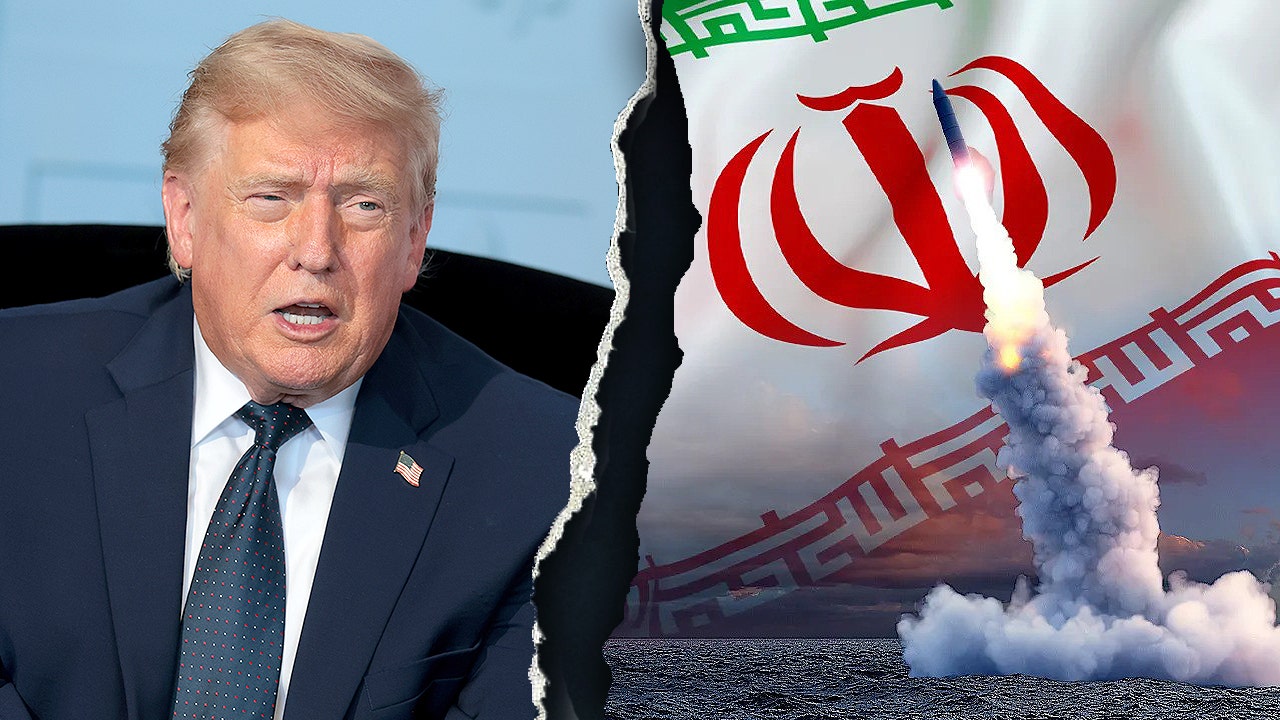
Iran’s top Revolutionary Guard commander declared Wednesday that Tehran would continue working on nuclear weapons as long as the United States and Israel possess them, intensifying concerns that Iran is using negotiations over the Strait of Hormuz to postpone concessions on its nuclear program.
“As long as the United States and Israel possess nuclear weapons, we will continue working on them for our national security,” IRGC commander-in-chief Ahmad Vahidi said, according to a translation of remarks circulating Wednesday. “If they disarm, we will disarm.”
Israeli Prime Minister Benjamin Netanyahu responded by vowing that Israel would continue preventing Iran from obtaining a nuclear weapon, with or without a diplomatic agreement.
WHO IS AHMAD VAHIDI? IRAN’S NEW IRGC CHIEF TIED TO GLOBAL ATTACKS AND ‘DEATH TO AMERICA’ IDEOLOGY
“Today, we heard the commander of the Revolutionary Guards, Vahidi, explicitly declare Iran’s intention to continue developing nuclear weapons — ‘continue,’ as he put it,” Netanyahu said at a ceremony marking the reinterment of Shimon and Rivka Herzl, the grandparents of the founder of modern day Zionism, Theodor Herzl.
“Well, as prime minister of Israel, I too am determined to continue — to continue preventing Iran from possessing nuclear weapons,” he said.
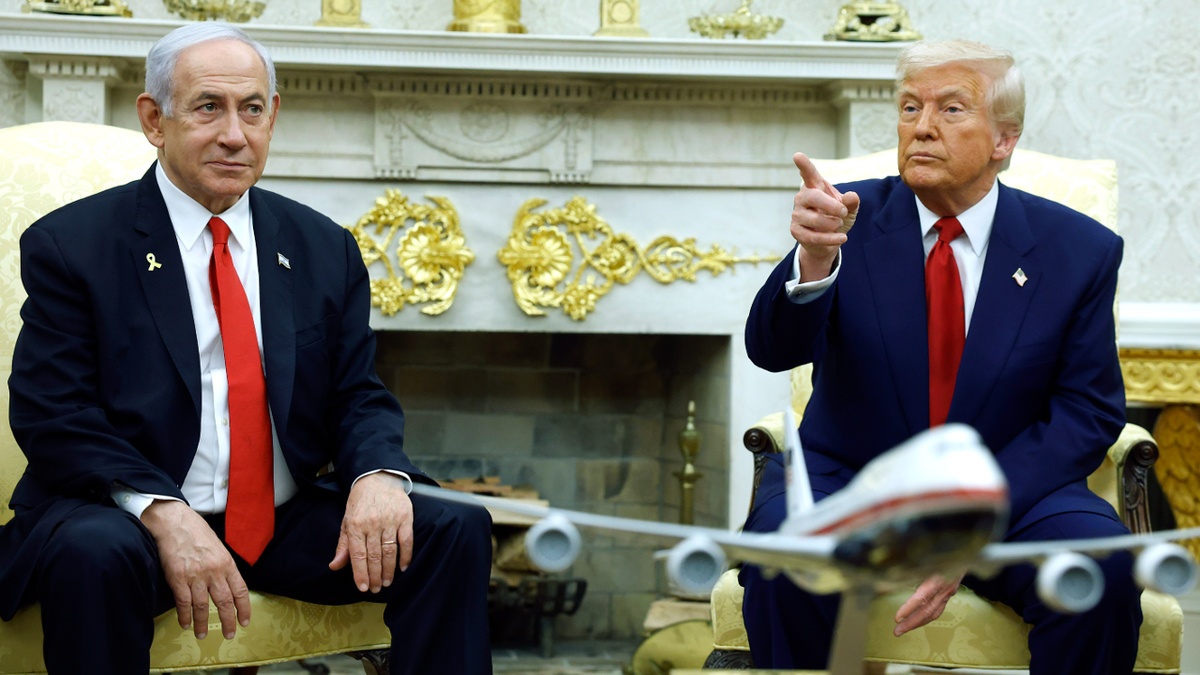
Netanyahu praised President Donald Trump as Israel’s greatest friend in the White House and expressed appreciation for the two countries’ joint efforts against Iran’s nuclear ambitions.
“Israel’s existence is not subject to negotiation,” Netanyahu said. “With an agreement or without an agreement, I am determined — we are all determined — to do whatever is necessary to ensure our security and our future.”
NETANYAHU’S ISRAEL GRAPPLES WITH TRUMP-IRAN DEAL AS DETAILS REMAIN UNCLEAR

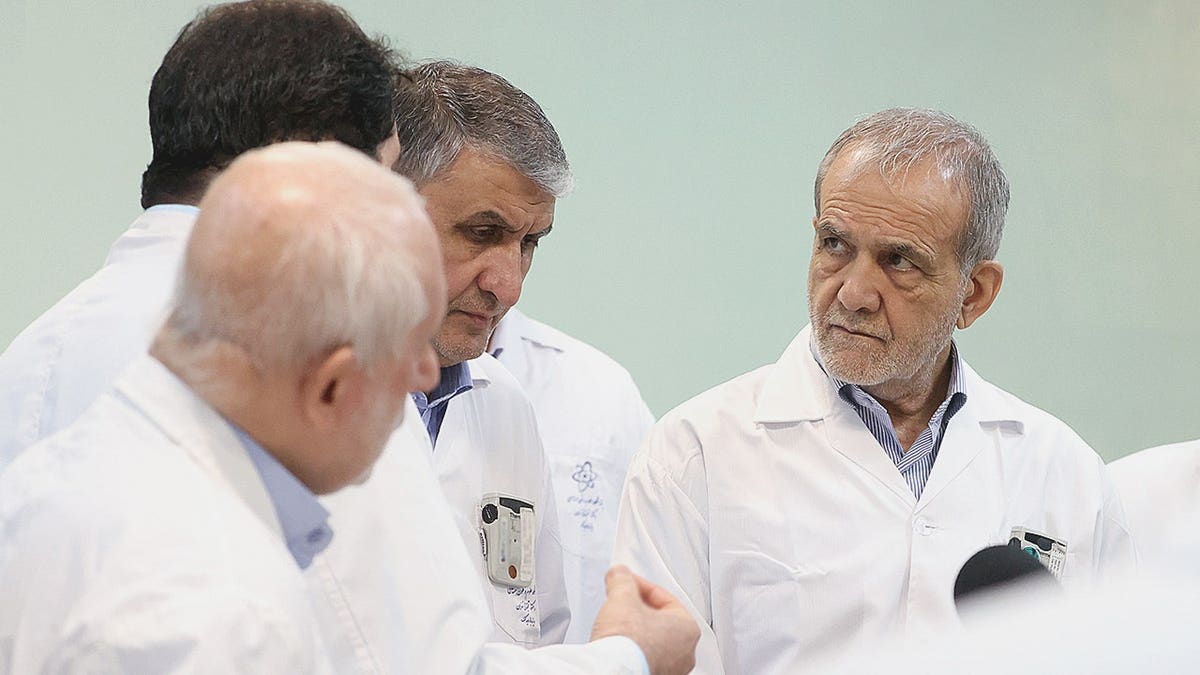
The exchange came as nuclear experts urged Trump to keep Iran’s nuclear program at the center of negotiations, warning that Tehran could use the Hormuz crisis to secure sanctions relief and other concessions before addressing its remaining nuclear capabilities.
Trump told “Fox News at Night” on Tuesday that military force remained an option if Iran abandoned the talks, while insisting Tehran could not be allowed to obtain a nuclear weapon.
“If they back out again, they’re going to get hit really hard,” Trump told Fox News’ Trace Gallagher. “They know that. They understand that. I have no choice. They can’t have a nuclear weapon. It’s very simple.”
“The hard hit is yet to come, and hopefully we won’t have to use it,” he added.
Trump said negotiators held an “all-day negotiation” Tuesday and described the discussions as “very good.” He has said the talks would initially focus on reopening the Strait of Hormuz before turning to Tehran’s nuclear program.
TRUMP WARNS IRAN WILL BE HIT ‘REALLY HARD’ IF NUCLEAR NEGOTIATIONS COLLAPSE AGAIN
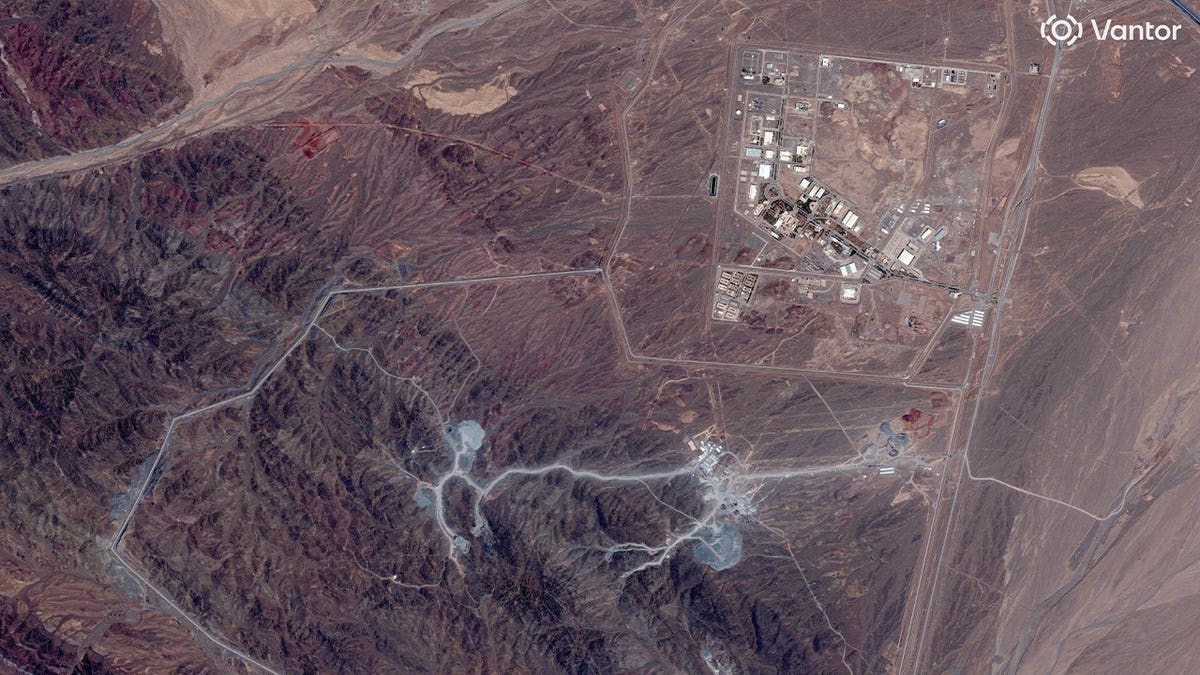
Andrea Stricker, deputy director of the Foundation for Defense of Democracies’ Nonproliferation and Biodefense Program, said that sequence could play directly into Iran’s strategy.
“It is in the Iranians’ interest to steer the negotiations toward the issues that they most care about,” Stricker told Fox News Digital, including securing major US concessions over Hormuz and “maintaining control of that crucial waterway that has proven a lifeline for Tehran to survive this war.”
She said Iran would also seek oil sanctions relief, and potentially relief from all U.S. sanctions, before addressing the nuclear file.
“If Tehran is able to structure the talks that way, and I’m concerned that Trump appears to be going along with that approach, there may be little left in terms of leverage to get big concessions from the Iranians on the nuclear file down the line,” Stricker said.
There is evidence that Tehran has sought to sequence the talks in its favor. Axios reported in April that Iran proposed reopening the Strait of Hormuz and ending the war before beginning nuclear negotiations, potentially reducing U.S. leverage over enrichment and Iran’s enriched-uranium stockpile.
The Washington Post later reported that Tehran was focused on preserving its leverage over Hormuz rather than engaging deeply on major nuclear restrictions.
Kelsey Davenport, director for nonproliferation policy at the Arms Control Association, agreed Iran is seeking to capitalize on the leverage it gained by disrupting maritime traffic through the Strait of Hormuz.
“The current focus on the Straits of Hormuz is not surprising. Iran is looking to capitalize on leverage gained by disrupting maritime traffic through the waterway and test if Trump is willing to negotiate in good faith,” Davenport told Fox News Digital.
TRUMP WARNS IRAN FIGHTING ISN’T OVER AS HE VOWS US WILL ‘WIN’ AS TALKS FADE
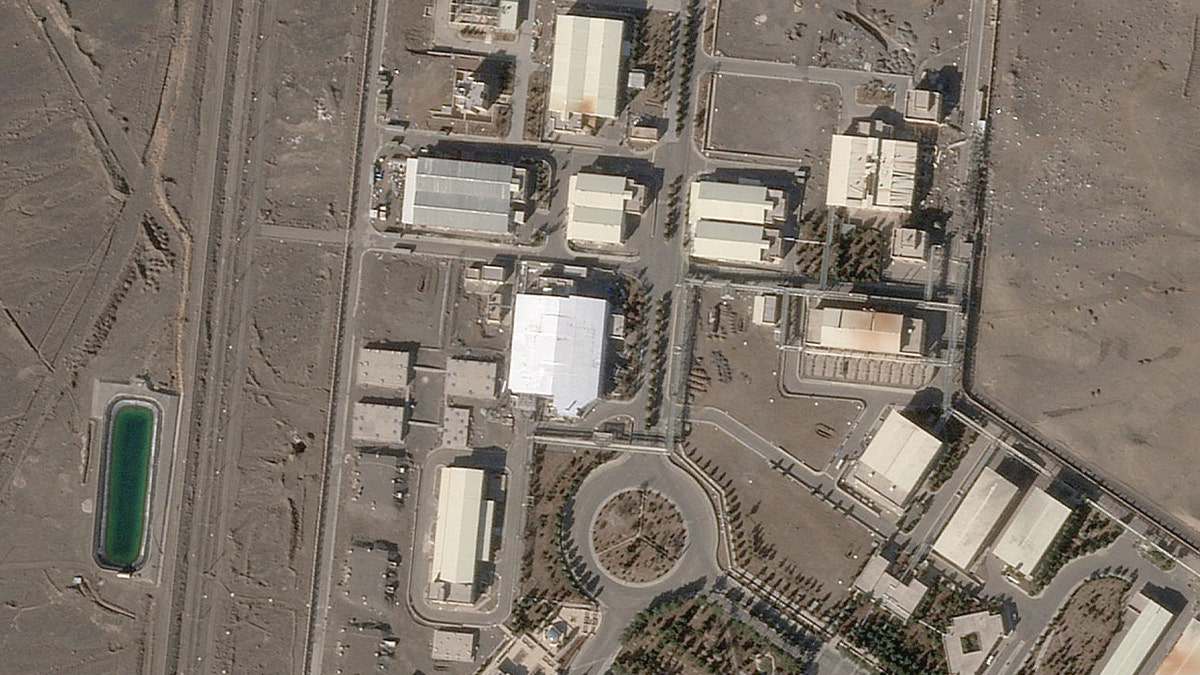
She said Tehran understands that any durable agreement will ultimately have to address its nuclear program, but said that “At the end of this conflict, Iran will still possess the capabilities necessary to build a bomb,” Davenport said, “The relevant knowledge and nuclear expertise cannot be bombed away.”
“Tehran retains key materials and technologies necessary to build a bomb,” she added. “If left unchecked, the nuclear program will be a source of instability and renewed conflict, even if Iran does not resume more proliferation-sensitive nuclear activities.”
A proposed agreement between Iran and Oman could give Tehran some control over ships entering the Persian Gulf through the Strait of Hormuz, a senior Iranian source and two regional officials told Reuters Wednesday. One regional source described the arrangement as a concession that had already been made, although the precise meaning of Iranian “control” remained under negotiation.
Iran is also seeking fees from ships traveling through the waterway, according to Reuters, while Washington has opposed both Iranian control and mandatory transit charges.
Stricker said postponing the nuclear issues would allow the regime to preserve its remaining enriched-uranium stockpiles and avoid fully dismantling its nuclear infrastructure.
She said Iran also wants to avoid accounting for its past nuclear weapons-related work or committing to end uranium enrichment and plutonium reprocessing.
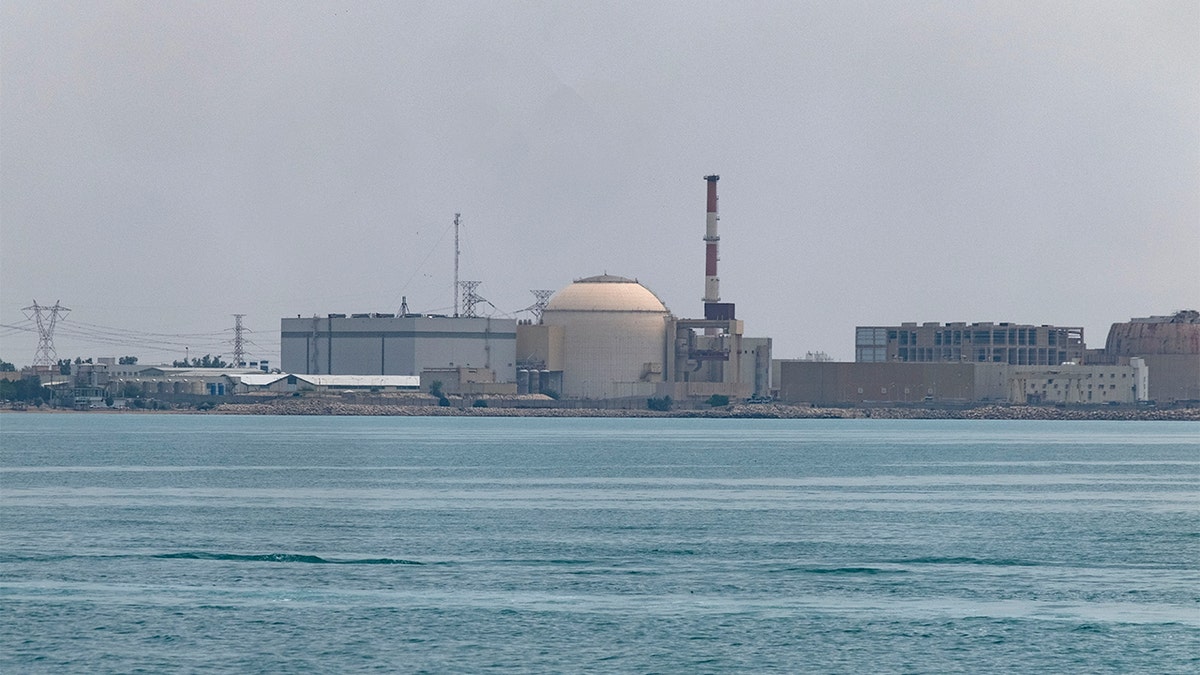
“Leaving them as a last-order issue in the negotiations likely means that we will not see the Iranians make big concessions and make a solid nuclear deal,” Stricker said.
Davenport said the administration should prioritize restoring access for inspectors from the International Atomic Energy Agency before beginning detailed nuclear negotiations.
“The IAEA has not visited key Iranian nuclear sites in more than a year,” she said. “It remains unclear how much of Iran’s nuclear infrastructure remains and where any gaps might be in trying to account for Iran’s nuclear materials.”
She said renewed inspections would give Washington a clearer picture of Iran’s remaining facilities and materials, while helping negotiators design a verification regime capable of addressing any gaps.
Davenport also recommended pairing sanctions relief with specific, verifiable Iranian steps rather than negotiating one sweeping package.
“A series of smaller deals could build confidence in the process,” she said.
Stricker urged the administration to link every concession involving Hormuz, sanctions or the U.S. blockade to a measurable Iranian step on the nuclear file.
CLICK HERE TO DOWNLOAD THE FOX NEWS APP
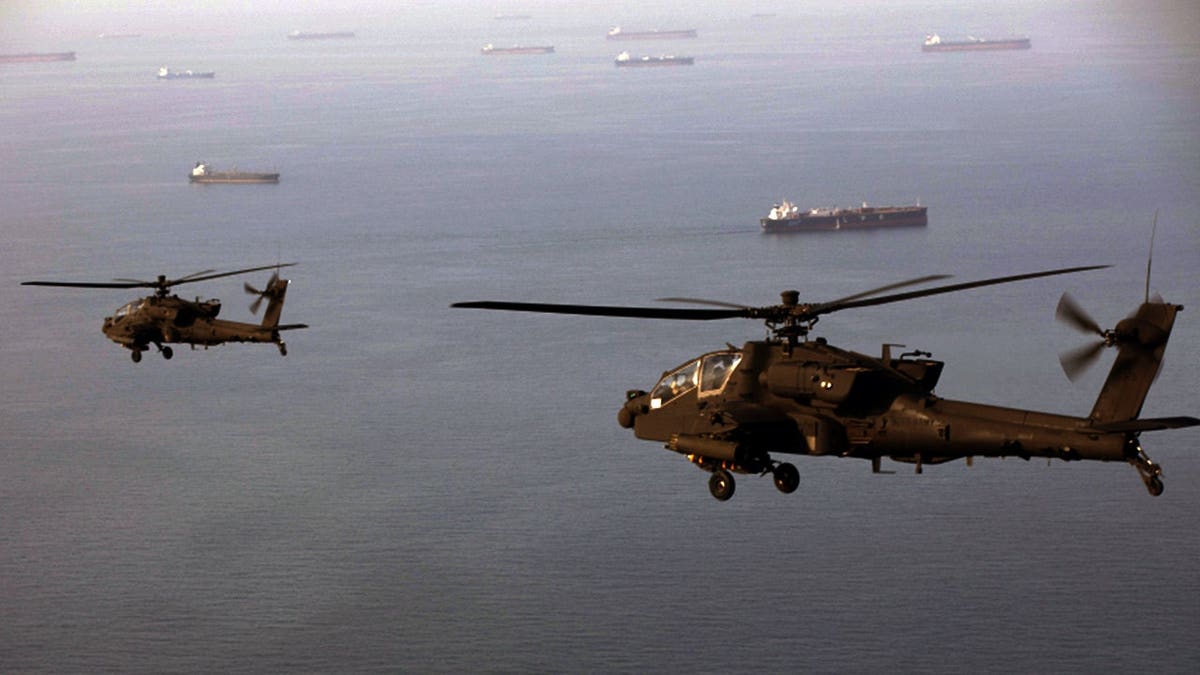
“The best approach to ensure a solid deal is to make the nuclear issues just as important as the Strait of Hormuz, removing the blockade and other top Iranian priorities,” she said.
Read the full article here


