



Russia has responded to President Donald Trump’s remarks about “taking” Cuba amid growing tensions between Washington and Havana.
Newsweek reached out to the State Department for comment via its press contact form.
What Did Donald Trump Say About Cuba?
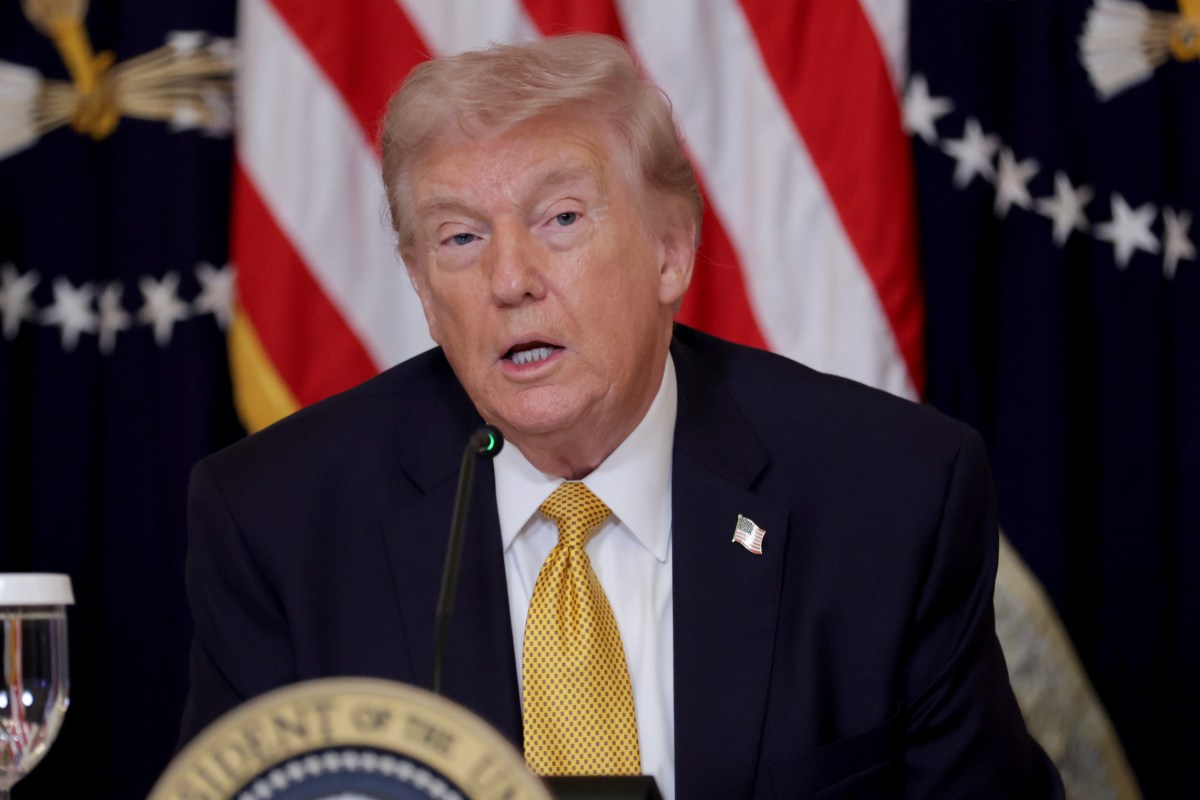
Trump said Monday he believes he will have the “honor of taking Cuba” as the island faces worsening economic conditions and power grid blackouts amid a U.S. oil blockade.
He has previously threatened a “friendly takeover” of Cuba, a longtime adversary to the U.S. The president also confirmed that the Cuban government was in talks with the U.S. but did not provide any details of the engagement, first revealed last week.
“I do believe I’ll be having the honor of taking Cuba. That’s a big honor. Taking Cuba in some form,” Trump told reporters in the Oval Office.
He continued, “Whether I free it, take it, I think I could do anything I want with it, if you want to know the truth. They are a very weakened nation right now.”
How Did Russia Respond?
Russia’s foreign ministry said it would continue to support Cuba amid Trump’s threats of a takeover, reported Reuters.
“Russia reaffirms its unwavering solidarity with the government and fraternal people of Cuba,” the ministry said. “We strongly condemn attempts of gross interference in the internal affairs of a sovereign state, intimidation, and the use of illegal unilateral restrictive measures.”
The ministry said that “Liberty Island” is now facing “unprecedented challenges” which have come about as a “direct result of the long-term trade, economic, financial, and more recently, the U.S. energy embargo against Cuba.”
Russia has been an ally to Cuba for decades, dating back to the time of the Soviet Union. They continue to share close security and economic ties. The government’s political position is a concern for Russia as a weakened Cuba could have implications for Russia’s global policy in the Americas. Russia, which is already facing U.S. sanctions amid its Ukraine invasion, has said it would send oil to Cuba.
A January 22 report from the Jamestown Foundation found that Cuba’s troubles could be problematic for Russian interests on the global stage.
“The fall of Cuba would be perceived by the Global South as final proof of the inability of Russia, China, or anyone else to function as an alternative center of power. In Asia, Africa, and Latin America, everyone will understand a simple thing: engaging with ‘multipolarity’ is risky because it cannot protect its allies from American pressure,” the report from fellow Sergey Sukhankin reads.
Russia previously lost an ally in South America after the U.S. arrested Venezuelan President Nicolas Maduro in January.
Is Cuba a Communist Country?
Cuba is a communist country. It is led by Miguel Díaz-Canel, who is a member of the Communist Party of Cuba.
Under his leadership, the island country adopted a new constitution reaffirming socialism. It said the “socialist system that this Constitution supports is irrevocable.” It also reaffirmed the one‑party system while recognizing some private property rights.
The country has seen some private sector expansion. On Monday, NBC News reported Cuban nationals living abroad will be able to invest in businesses on the island, citing Cuba’s Deputy Prime Minister Oscar Pérez-Oliva Fraga.
“Cuba is open to having a fluid commercial relationship with U.S. companies” as well as “also with Cubans residing in the United States and their descendants,” he told NBC News.
Why Is the US Blocking Oil to Cuba?
Trump on January 29 signed an executive order against Cuba, accusing its government of “extraordinary actions that harm and threaten the United States,” including supporting “numerous hostile countries, transnational terrorist groups, and malign actors adverse to the United States.”
“The United States has zero tolerance for the depredations of the communist Cuban regime. The United States will act to protect the foreign policy, national security, and national interests of the United States, including by holding the Cuban regime accountable for its malign actions and relationships, while also remaining committed to supporting the Cuban people’s aspirations for a free and democratic society,” the order reads.
The executive order also launched new tariffs on goods “imported into the United States that are products of any other country that directly or indirectly sells or otherwise provides any oil to Cuba.”
The United Nations has condemned the embargo.
“It is an extreme form of unilateral economic coercion with extraterritorial effects, through which the United States seeks to exert coercion on the sovereign state of Cuba and compel other sovereign third States to alter their lawful commercial relations, under threat of punitive trade measures,” U.N. experts wrote in a February 12 statement.
Cuba has still received some humanitarian aid. In February, the U.S. announced $6 million in aid for the island, reported the Associated Press.
What’s Going on In Cuba Right Now?
Cuban officials say the oil embargo has left the island in economic crises as it faces fuel shortages and economic pain over recent weeks, drawing some domestic criticism toward the Trump administration’s policy.
The energy crisis stems from a combination of aging infrastructure, fuel shortages, and economic strain exacerbated by U.S. sanctions and the collapse of tourism during the COVID-19 pandemic. The island’s power grid relies heavily on outdated aging thermoelectric plants, which have suffered breakdowns. A blackout earlier this month was blamed on one of those plants east of Havana and the fuel scarcity.
Cuba produces about 40 percent of its own petroleum, but that has not been enough to prevent shortages in recent months. Shipments from Venezuela ended after the U.S. struck the South American country and arrested President Maduro in January. Díaz-Canel on Friday said the island had not received oil shipments in more than three months.
The island has also faced protests over blackouts and other economic pain amid the blockade. On Monday, Cuba dealt with an outage affecting the entire island, home to 11 million people.
Read the full article here


