



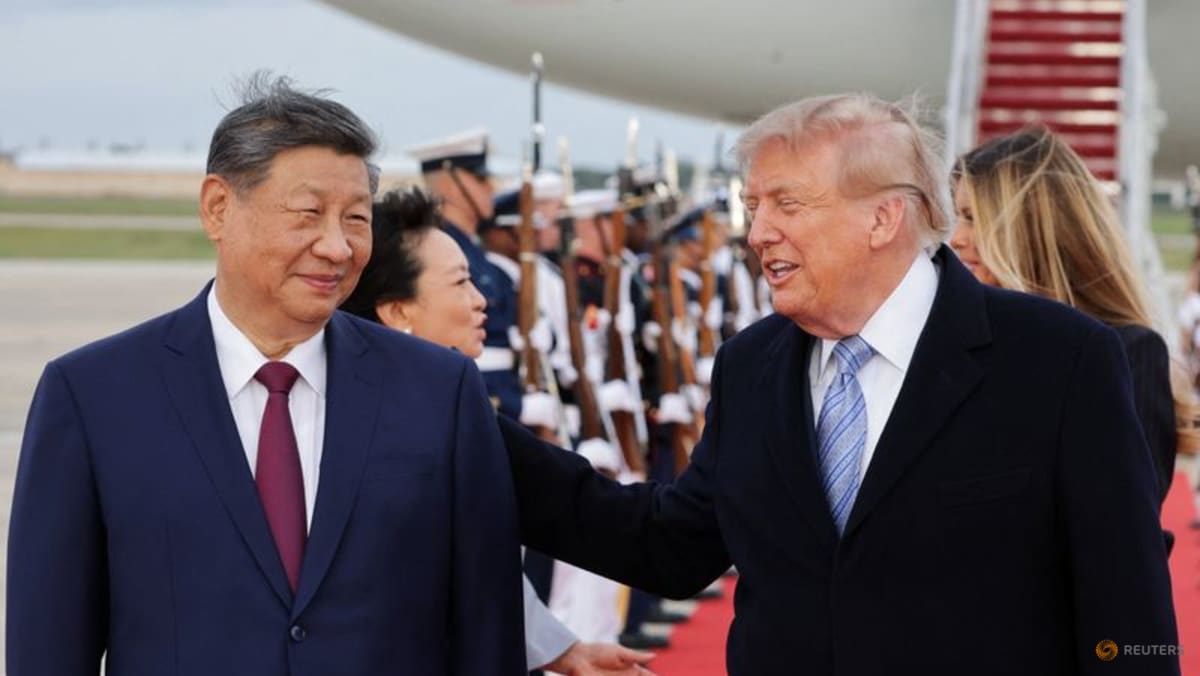
While Mr Trump reversed protocol by rolling out the red carpet and meeting Mr Xi on the tarmac, the US’ national security machinery never stopped.
In June, the US Commerce Department closed a loophole that let Chinese-owned companies abroad buy advanced AI chips. In July, the Federal Communications Commission blocked the import of foreign-made power inverters, used in solar grids, and advanced robots.
The US Congress earlier this year introduced a bipartisan bill to tighten controls on chipmaking tools.
With the Democrats poised to take control of the House and possibly the Senate in the upcoming midterm elections, expect further US action against China, especially on artificial intelligence. The US-China race for AI supremacy is one of the few areas in which Democrats and Republicans are aligned.
STAKES HIGH FOR ASIA
For Asia, the stakes are higher than the headlines suggest.
The US Section 301 investigations into excess capacity and forced labour send a clear message: The region remains central to the America First trade policy of addressing unfair practices, lowering the US trade deficit and bringing investment home.
Taiwan remains a priority for Mr Xi – he urged the US to oppose “Taiwan independence” at his meeting with Mr Trump. Washington has put on hold a US$14 billion Taiwan arms package since May, which Mr Trump called a “very good negotiating chip”. But the longer it stays on hold, the more Beijing will conclude that Taiwan is negotiable, and the more it will ask for.
Read the full article here


