



The Department of Education (DOE) announced a new anti-fraud program that will require certain FAFSA applicants deemed at high fraud risk to verify their identities before accessing federal student aid.
The announcement on Monday comes as President Donald Trump’s administration has made targeting fraud in the federal government a top priority. The change could have implications for college students applying for federal loans or Pell Grants.
Newsweek reached out to the Education Department’s press office for comment via email.
Why It Matters
Student loans and financial aid through FAFSA (Free Application for Federal Student Aid) provide a critical lifeline for college students. More than 5 million students completed FAFSA forms for the 2026-2027 school year before December 17, according to the Education Department.
Student aid is particularly important as college tuition continues to rise. The average cost of a public university for the 2025-2026 school year was $10,340, up from $8,778 one decade earlier, according to the Education Data Initiative. At the same time, the average cost for private higher education was $39,307, up from $27,942 a decade prior.
What to Know About the New FAFSA Anti-Fraud Program
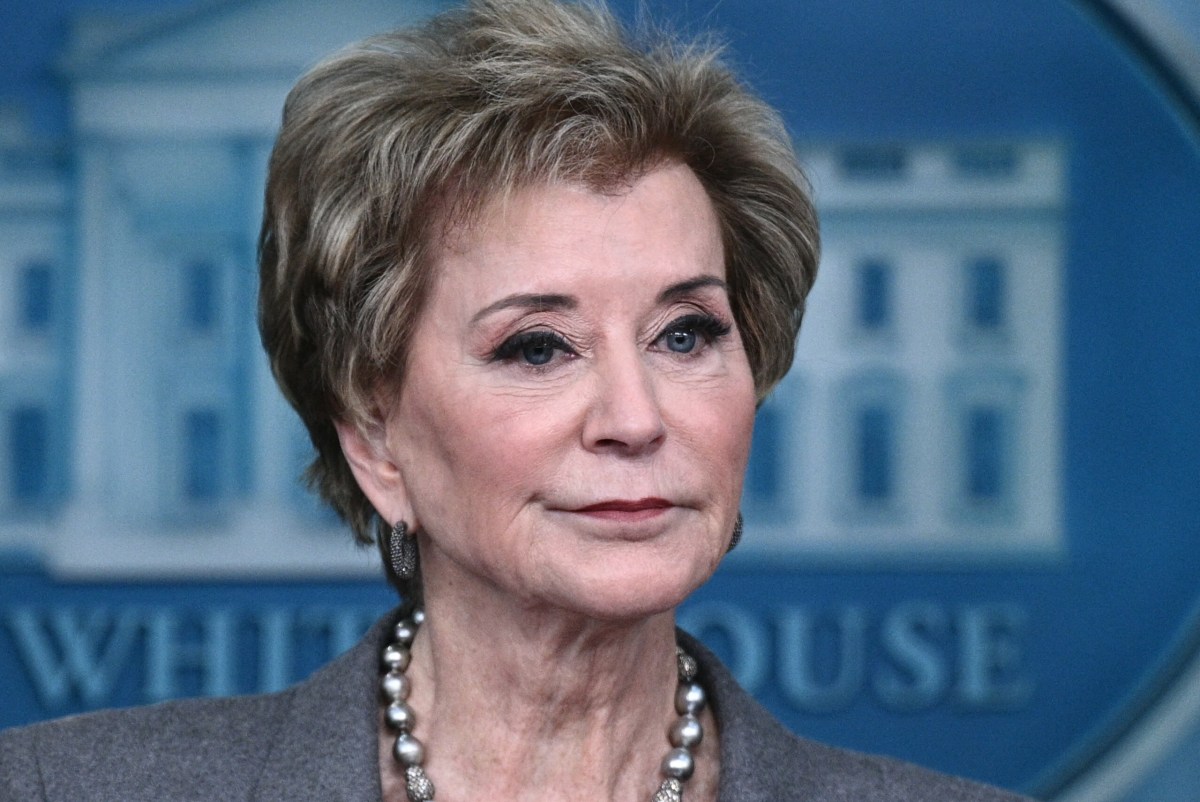
Education Secretary Linda McMahon announced a new “real-time fraud detection capability” for FAFSA. The DOE touted the effort as “the largest and most comprehensive, nationwide fraud prevention effort in the agency’s history.”
Every applicant will be evaluated “in real-time using risk-based identity screening.”
The program is intended to prevent “ghost students” and AI bots from accessing financial aid intended for college students. As a result of this screening, some applicants may be required to show proof of identity.
“Applicants who display a certain level of fraud risk will now be required to present government-issued identification before accessing federal student aid funds such as Pell Grants and federal student loans,” the DOE wrote.
Individuals who are identified as “low risk” or “moderate risk” will not be required to show any additional verification. However, applicants identified as being “high risk” will need to show some form of government-issued identification.
The DOE did not state the criteria used to determine which applicants would be considered high risk.
McMahon wrote in a statement that the tool will “stop fraud at the start of the process, before money goes out the door, strengthening the integrity of our programs and expanding opportunity for students who depend on these resources to finance their postsecondary education.”
“Since day one, the Trump Administration has protected the integrity of federal student aid programs, ensuring that these critical resources help the students they are intended to serve,” she wrote.
What Are ‘Ghost Students’?
Ghost student scams have increased as AI technology becomes more pervasive, costing millions of dollars in stolen financial aid. In these scams, individuals will create fake students or use stolen identities to access financial aid intended for actual students.
Equifax has estimated that ghost student scams have cost colleges up to $180 million.
What ID Can FAFSA Applicants Show to Verify Identity?
Applicants can show a driver’s license, passport, tribal identification card or permanent resident card or appear on camera to take a photograph to verify their identity.
“This process is automated and will happen in real time, including feedback to the applicant if their identity documentation or camera image is not legible so they can correct the issue,” the DOE wrote in a statement.
What Happens If Students Do Not Have ID When Applying?
Applicants will have a “short window” to retrieve that identification. But if they do not have easy access to the required identification, they will not be able to complete the session at the time.
They will still be able to submit their FAFSA form, but it will be processed with a reject code. They will have to contact their school’s financial aid office to complete the identity verification process.
What Happens Next
The new anti-fraud program goes into effect immediately, according to the DOE.
Read the full article here


