




As millions of Americans prepare for summer travel, public health officials are tracking multiple emerging health threats: a fast-growing Ebola outbreak in Central Africa, a localized mpox surge in Boston, and rising cases of flesh-eating Vibrio infections in Florida. Together, these developments create an uneasy backdrop for what is typically the busiest vacation season of the year.
Officials are also monitoring and managing the hantavirus outbreak linked to the MV Hondius cruise ship. While each threat differs in scale and geography, they collectively illustrate how quickly localized outbreaks can intersect with peak international and domestic travel patterns.
Ebola remains a global-level risk. Former Centers for Disease Control and Prevention (CDC) Director Robert Redfield has warned the current outbreak could become the second largest in history—a stark reminder that international viral spread can reshape U.S. screening protocols and travel rules with little notice.
Domestically, mpox’s localized surge in Boston, occurring despite national declines, demonstrates how easily the virus can flare within dense urban networks and summer event circuits. Meanwhile, rising Vibrio infections in Florida highlight climate-driven coastal risks that intensify as ocean temperatures climb and beach tourism spikes.
Concurrently, the hantavirus cluster, which has already killed multiple passengers and sickened others across several countries, underscores how travel-linked outbreaks can cross borders well before symptoms appear—particularly when incubation periods are prolonged and early signs remain nonspecific.
Ebola Cases and Concerns Rising
The latest Ebola outbreak in the Democratic Republic of the Congo (DRC), driven by the rare Bundibugyo strain, has already produced 900 suspected cases and 220 suspected deaths, according to World Health Organization (WHO) assessments.
Redfield warned that the outbreak could become the second largest in history, citing the virus’s rapid spread, a lack of approved treatments, and the logistical difficulties of containing transmission in conflict-affected regions.
“It’s already the third-largest outbreak of Ebola in the world,” Redfield told NewsNation, adding the disease “is something that is likely to go on unfortunately for a while.”
“And these numbers, I won’t be surprised if this doesn’t become the second largest outbreak that we’ve ever had,” he explained, noting the largest ever Ebola outbreak, which saw 28,600 cases and 11,308 deaths between 2014 and 2016 in West Africa.

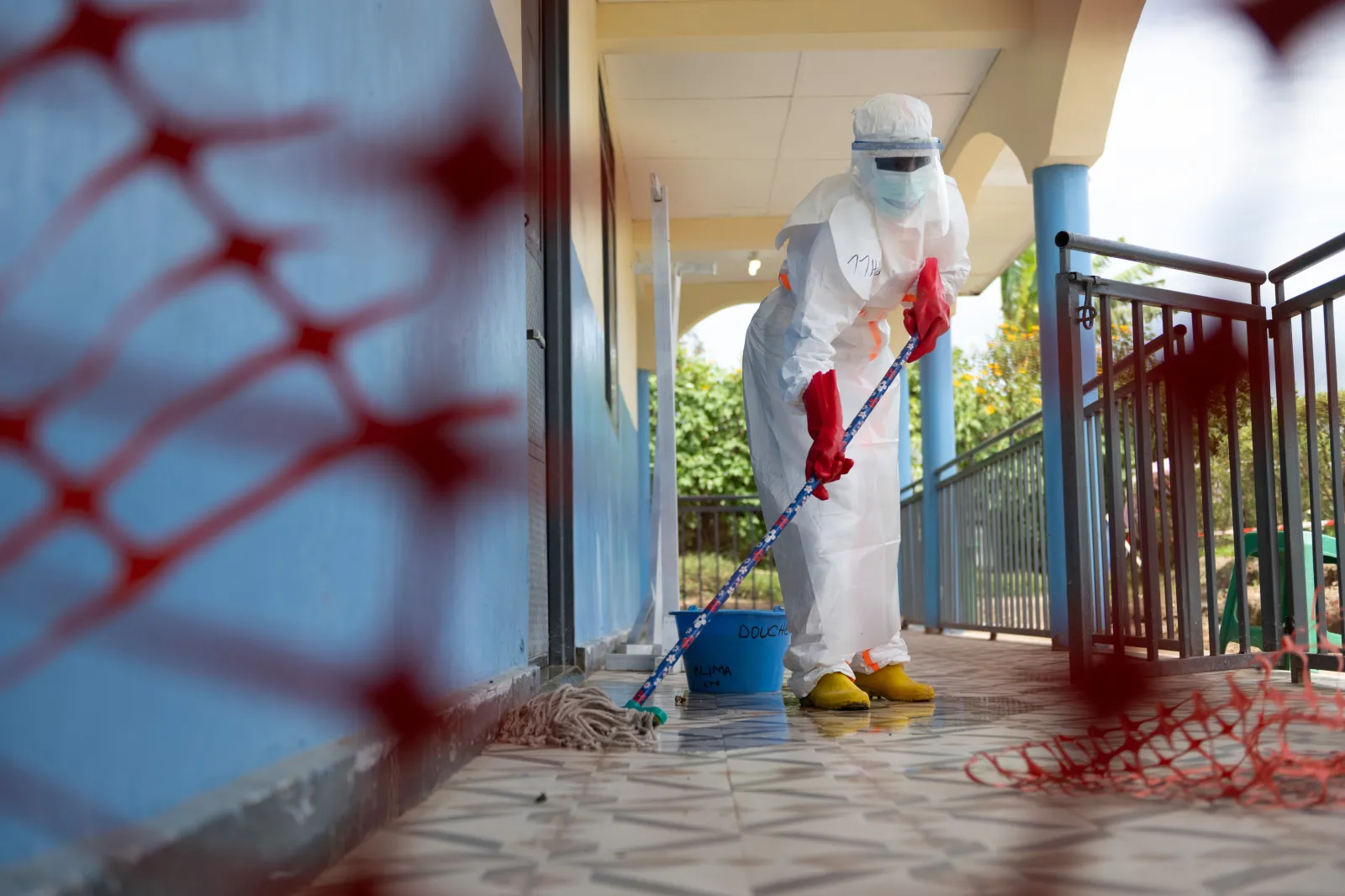
The second largest outbreak was in the Congo from 2018 to 2020, with 2,287 deaths and 3,470 reported cases.
In response, the U.S. government has tightened entry restrictions. Foreign nationals who have recently visited the DRC, Uganda, or South Sudan are barred from entering the country for 30 days, while returning U.S. citizens face enhanced screening and mandatory 21-day symptom monitoring.
Tedros Ghebreyesus, WHO Director-General, recently attended the opening of a new Ebola hospital in the DRC, speaking directly to healthcare workers treating the disease and residents living within the outbreak zone.
“WHO is also working with partners to advance safe and effective vaccines and treatments through clinical trials,” he said.
“Hand hygiene matters. Sharing accurate information matters. And safe, dignified burials matter too. I understand how painful it is to lose someone, and how much it means to honour them properly,” Ghebreyesus said.
“But certain practices, including touching the bodies of those who have died from Ebola, can spread the virus further. While we grieve for those we have lost, we must do everything we can so that we do not lose another,” he continued. “Protecting each other, even in grief, is one of the hardest and most important things we can do.”


Mpox Cases Surge in Boston Despite National Decline
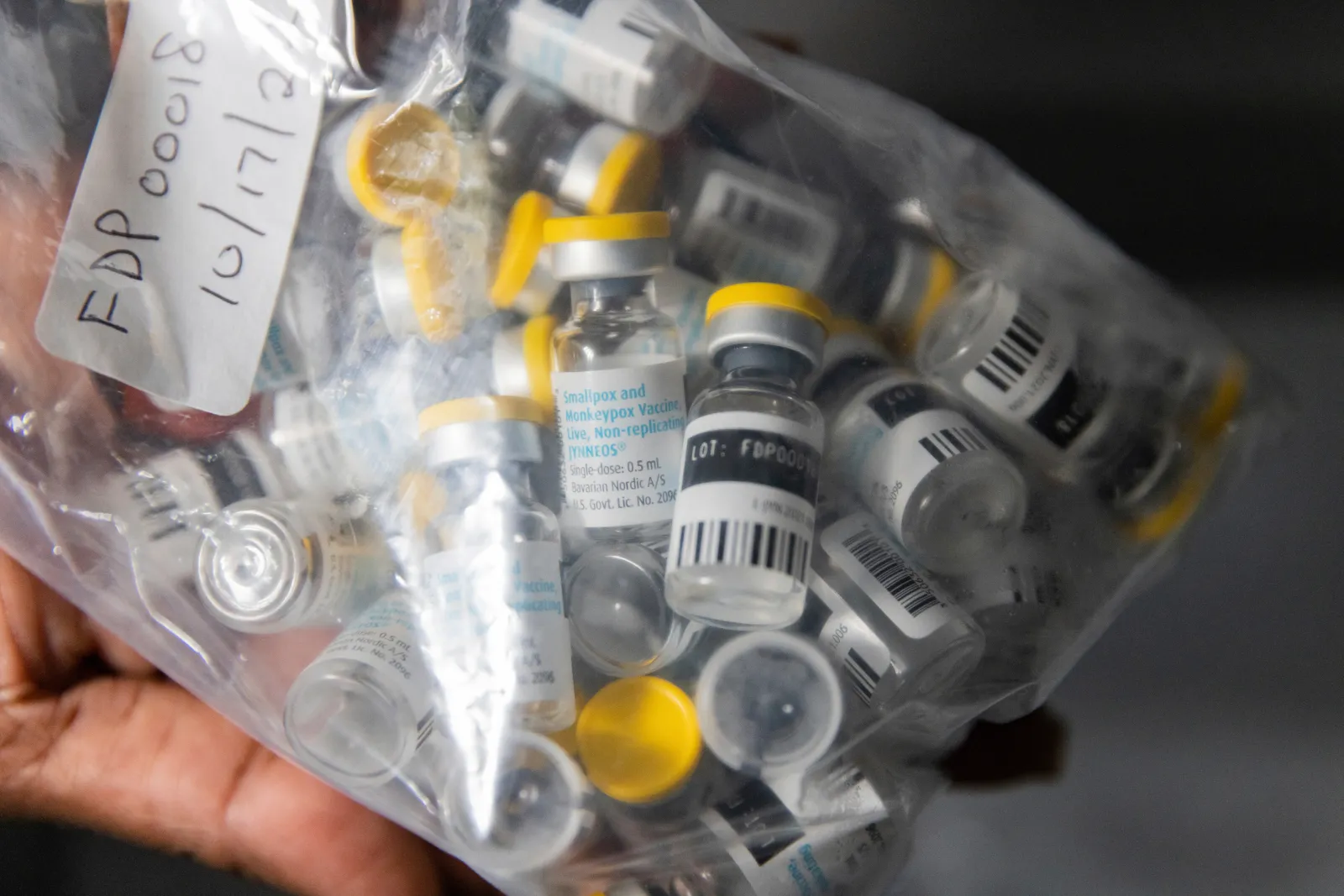
While mpox cases have decreased nationally, Boston is experiencing a sharp localized surge. According to state health officials, 77 cases were reported between August 1, 2025, and March 31, 2026. Public health experts emphasize that this rise underscores how mpox can flare in regional clusters even when national trends appear stable.
The uptick comes at a time when vaccination rates have plateaued. Health departments warn that summer travel, festivals, and large seasonal gatherings could accelerate transmission among unvaccinated groups.
Mpox is a zoonotic virus, meaning it originally spread from animals to humans, though current transmission occurs primarily between people. The virus causes a characteristic rash that can present as pimples, blisters, or sores, often accompanied by flu-like symptoms such as fever, chills, fatigue, and body aches. While most cases are mild, severe illness can occur, particularly in individuals with weakened immune systems.
Transmission occurs mainly through close, prolonged physical contact with an infected individual. This includes skin-to-skin contact with rashes or lesions, contact with bodily fluids, face-to-face respiratory droplets, and touching contaminated items such as bedding or linens. Intimate and sexual contact remain major drivers of recent outbreaks; casual, brief interactions are significantly less likely to transmit the virus.

Florida Reports New Cases of Flesh‑Eating Vibrio Infections
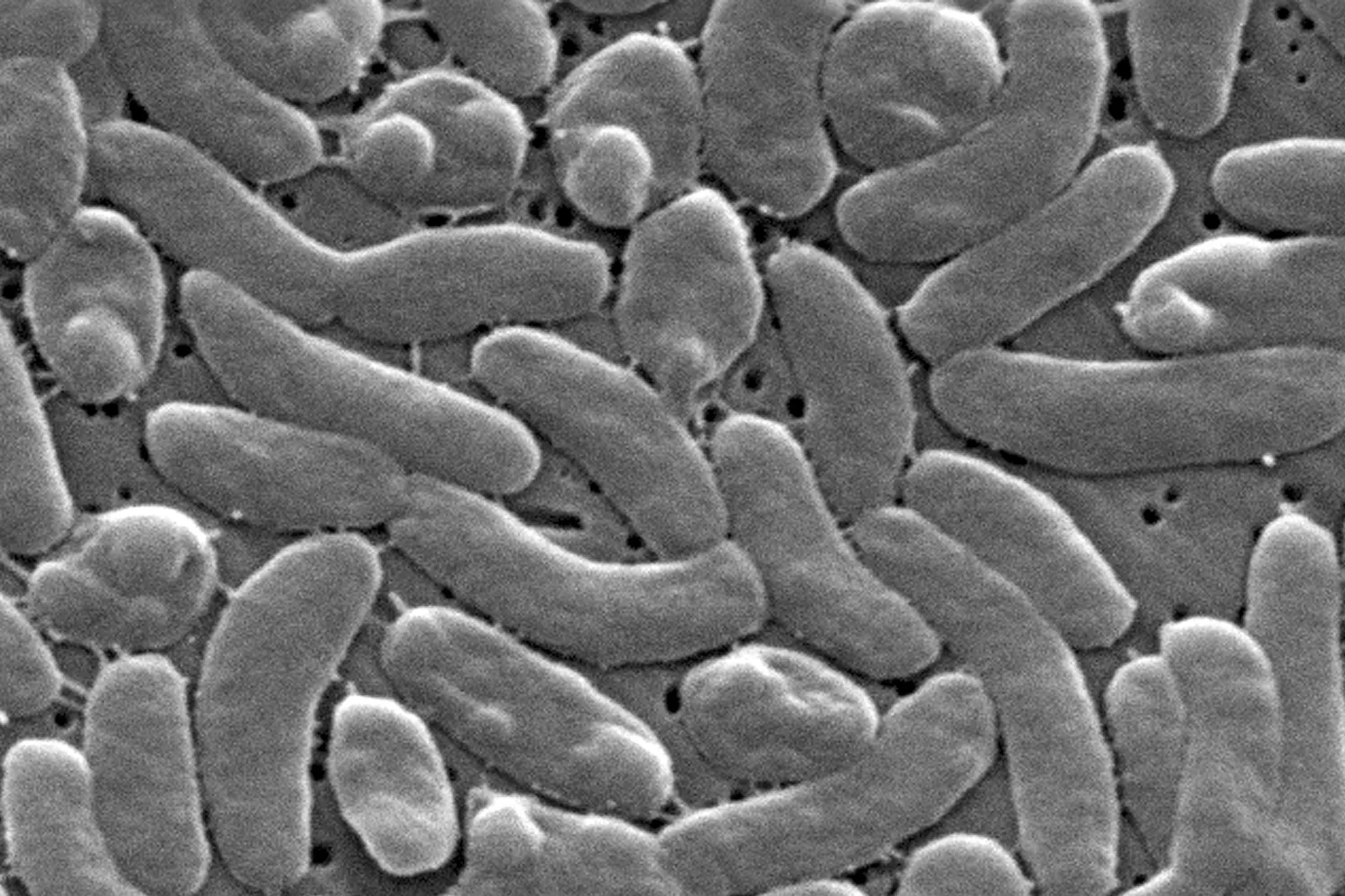
Florida health officials have confirmed five cases of Vibrio vulnificus so far this year. The dangerous, “flesh-eating” bacteria thrives in warm coastal waters. According to the Florida Department of Health, infections have been reported in Miami-Dade, Hillsborough, Lee, Palm Beach, and St. Johns counties as of May 23. One severe case involved a 74-year-old St. Johns County resident, detailed in a recent New England Journal of Medicine case report.
Rising ocean temperatures are projected to increase the prevalence of Vibrio infections, which are typically linked to warm brackish coastal waters and raw seafood exposure. These cases follow a broader national trend: fatal Vibrio infections have risen in recent years, prompting renewed warnings for swimmers, boaters, and seafood consumers ahead of the peak summer months.

What Travelers Should Know
- Ebola: The risk to the general U.S. traveler remains low. However, individuals returning from affected regions in Central Africa must monitor their health for symptoms for 21 days and strictly adhere to CDC guidance.
- Mpox: Vaccination remains the most effective protection. Travelers planning to attend large events, festivals, or settings involving close physical contact should stay informed about local case trends.
- Vibrio: To prevent infection, avoid entering warm coastal or brackish waters with open wounds or fresh piercings, and exercise strict food safety precautions when handling or consuming raw seafood.
Read the full article here


