



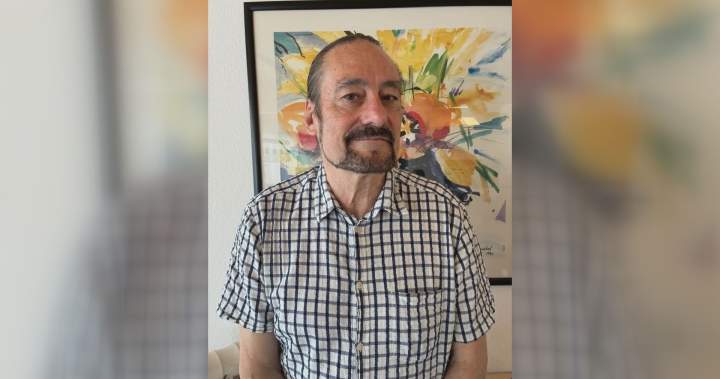
A Swiss man who has amassed thousands of Indigenous ceremonial and historical items from across North America, which he displayed in a museum outside of Zurich, Switzerland, is working with a First Nations group to repatriate items to Canada.
The only thing standing in the way is millions of dollars.
Vincent Escriba estimates his collection to be worth $13 to $17 million. In an email to Global News, translated from German, he says he wants the items sold together, hopefully to a Manitoba-based group, to either start a museum in Winnipeg or returned to the nations they were taken from.
“My heart, time and financial resources have all gone into the museum, which is why I need to sell it,” he said.
Most of the items are from Dakota, Lakota, Ojibway and Cree nations in Canada and the U.S. plains. Some are Haida from B.C.
Manitoba-based Bringing Them Home Project caught wind of the museum and visited last year to start repatriation discussions with Escriba.
Cree advocate Coleen Rajotte was part of the delegation and says they hope to hire an appraiser to value the items. Then there’s the cost of buying and shipping the collection.

Get breaking National news
Get breaking Canada news delivered to your inbox as it happens so you won’t miss a trending story.
They hope First Nations and tribal governments in the U.S. pitch in to cover costs that the group says could reach $20 million.
If they can’t raise the money, 67-year-old Escriba says he will need to look for other buyers in order to fund his retirement.
Governments, museums and private collectors have faced intense pressure in recent years to repatriate Indigenous items plundered during colonization. The Vatican returned more than 60 items to Canada last December.
National Indigenous organizations are working with the Canadian Museum of History to determine where each item came from, and those communities will decide whether they want them returned or displayed in a museum.
First Nations, Inuit and Métis say it’s an uphill battle to locate and get back what’s been taken but the work is an important step in reconciliation.
Read the full article here


