







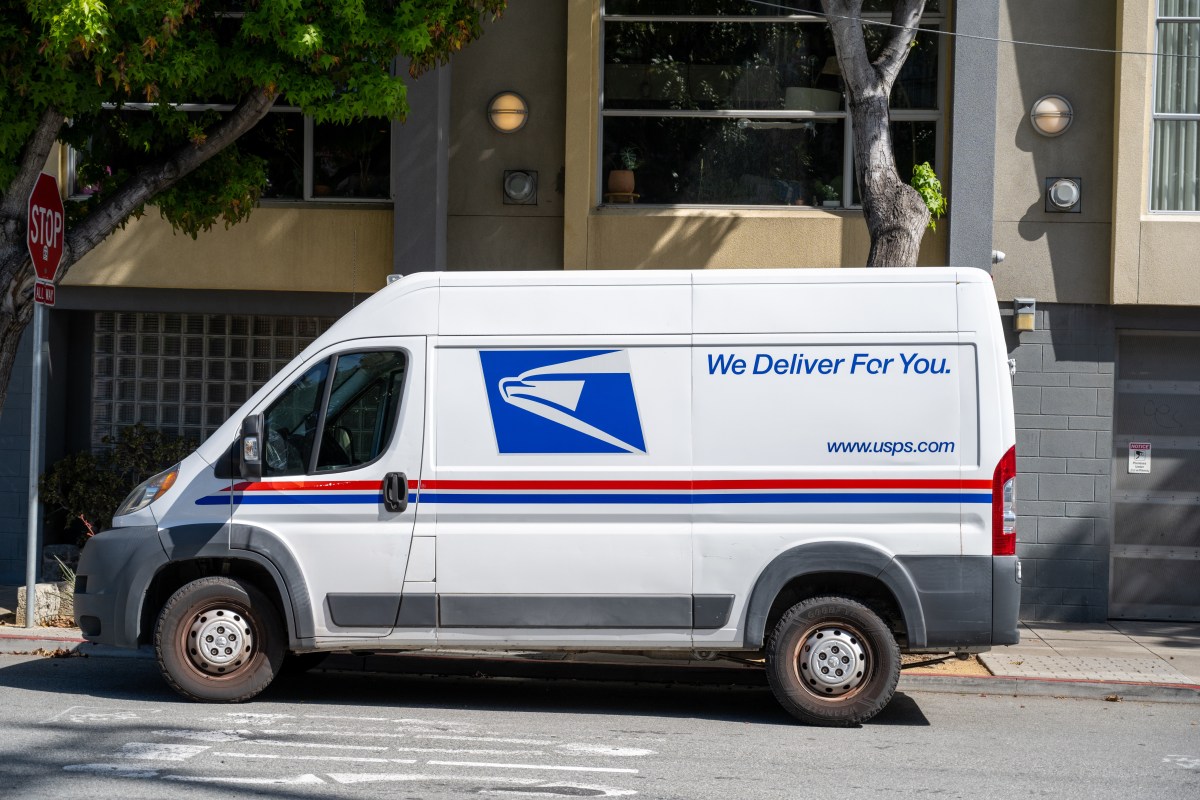
The United States Postal Service (USPS) has struck a new agreement worth more than $10 billion with DHL eCommerce, the agency announced on Thursday.
The exclusive multiyear contract will see USPS handle the “last mile” delivery of DHL eCommerce packages in the United States. That refers to the final step in the shipping process, when parcels are transported from a local distribution center or post office to customers’ homes.
The deal comes as USPS looks to stabilize its finances after years of losses and declining mail volumes, while major delivery companies increasingly rely on partnerships to reach every address in the country.
USPS Expands Delivery Partnerships
Under the agreement, DHL eCommerce will continue handling package pickup, sorting and transportation across its own network before handing parcels to USPS for final delivery.
The arrangement builds on a relationship between the two companies that has lasted for 25 years, but both organizations described the new contract as significantly larger in scale than previous agreements.
In a press release announcing the partnership, DHL eCommerce said the deal “positions both organizations for long-term competitive success” and that the agreement would help it capitalize on growing e-commerce demand in the U.S. market through both domestic and international shipping services.
USPS said in December that it planned to expand access to its last-mile delivery network for both large and small shippers, broadening partnerships beyond existing arrangements with companies including Amazon and UPS. Postmaster General David Steiner said the Postal Service’s nationwide footprint gives it a unique advantage in the delivery market.
“Since the USPS delivers to 170 million locations six days a week, we are the best last-mile provider by default,” Steiner said during a call with reporters. “For us, this is a matter of meeting the customers where they are and meeting the customers’ needs,” he added.
USPS currently delivers to more than 170 million addresses across the United States six days per week, reaching more than 41,550 ZIP Codes.
Why the ‘Last Mile’ Matters
The final stage of delivery is widely viewed as the most difficult and expensive part of the shipping process because it involves getting individual packages to homes, apartments and businesses spread across urban, suburban and rural areas. Under a last-mile arrangement, another shipping company handles most of the package’s journey before USPS takes over near the end of the process.
In practice, a parcel might travel across the country using DHL’s air or ground network before arriving at a local postal facility. USPS carriers then complete the final delivery to the customer’s mailbox, doorstep or address. That system has become increasingly important as online shopping volumes have surged in recent years.
Companies often use USPS for the final handoff because the agency already maintains a delivery network that reaches every address in the country, including remote and rural communities that can be more expensive for private carriers to serve independently.
Scott Ashbaugh, CEO of DHL eCommerce Americas, said the expanded partnership would provide stability for customers while also reducing the need for additional delivery vehicles on the road.
“This agreement creates a dependable, long-term platform for our customers,” Ashbaugh said. “Working with USPS allows us to serve communities nationwide in a highly efficient way, minimizing additional vehicles on the road and supporting our commitment to reducing emissions.”
Ashbaugh also praised postal carriers as “trusted members of the communities they serve” and said the two organizations shared a focus on “reliability, transport safety, and public service.”
Steiner described the deal as “an exciting milestone in the evolution of our relationship with DHL eCommerce.”
“This extended and exclusive agreement reflects a shared commitment to innovation, operational alignment, and delivering greater value to the shipping marketplace,” he said. “Together, we are building a more flexible, market-responsive model that enhances reliability, supports growth, and positions both organizations for long-term success.”
Financial Pressure on USPS
The agreement also arrives at a critical time for USPS finances. Steiner has warned lawmakers that the Postal Service could face severe cash shortages within the next year unless Congress changes long-standing borrowing restrictions.
In testimony before the House Committee on Oversight and Government Reform in March, Steiner said: “I am not sure that the American public is aware that the Postal Service is at a critical juncture.”
“I know that I wasn’t aware of the extent of it before I took on this role, but at our current run rate and if we continue to pay our required obligations in the same manner as we have done in recent years, then we will be out of cash in less than 12 months.”
“So, less than a year from now the Postal Service will be unable to deliver the mail if we maintain the status quo,” he added.
USPS has experienced financial challenges for years. Although overall revenue has remained relatively stable, the Postal Service has recorded annual financial shortfalls since 2007. USPS has reported net losses totaling $118 billion during that period as first-class mail volumes, historically its most profitable business, have fallen to levels not seen since the late 1960s.
The agency has also reached its statutory borrowing limit, limiting its ability to finance continuing deficits through additional debt.
Read the full article here


