







NEWYou can now listen to Fox News articles!
A bipartisan team of senators is proposing legislation that they say will broaden the pool of qualified judges available to serve on two powerful federal courts with nationwide jurisdiction.
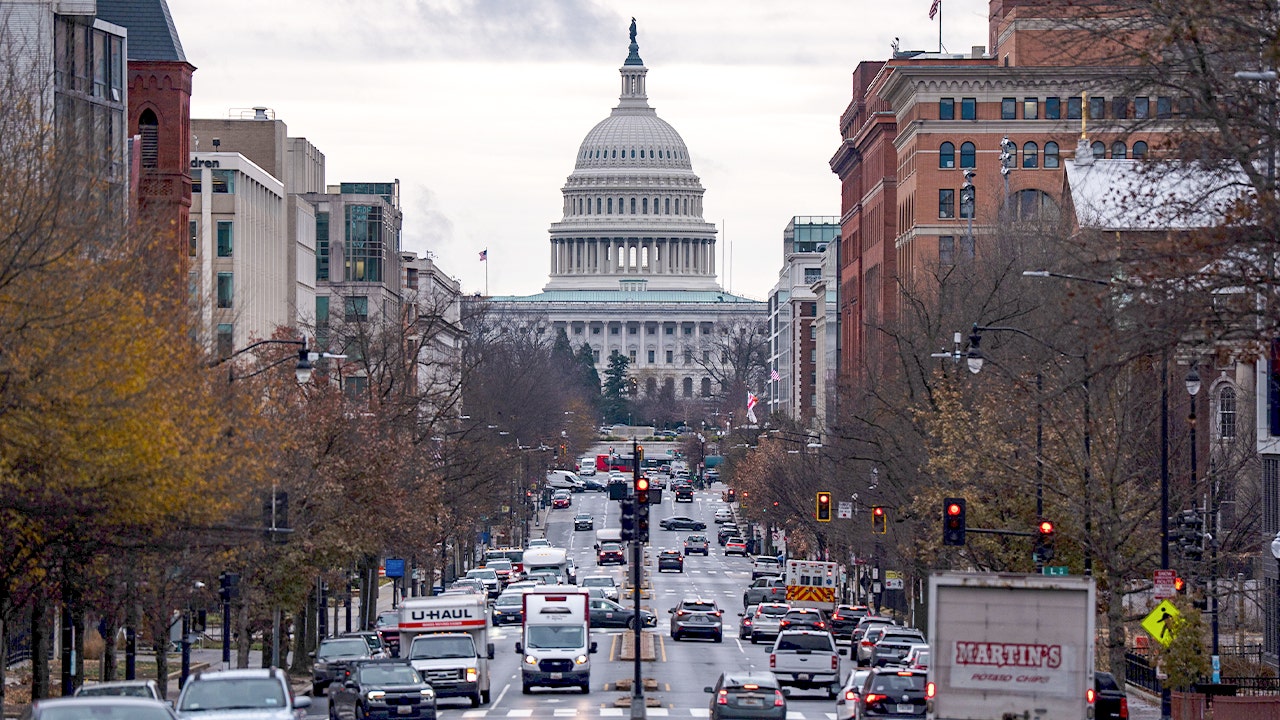
Sens. Chris Coons, D-Delaware, and Ashley Moody, R-Florida, introduced a bill on Tuesday that would remove the requirement that judges sitting on the Court of Federal Claims and the Federal Circuit live within 50 miles of Washington, D.C.
Both courts have nationwide jurisdiction, though their specialized dockets differ. The Court of Federal Claims primarily handles claims against the federal government, while the Federal Circuit hears appeals involving patents, trademarks, government contracts and other areas.
A decision from either court, for example, could affect Coons’ constituents in Delaware or Moody’s in Florida. The claims court hears arguments from entities seeking money or other relief from the federal government whereas the circuit court, which is a feeder for Supreme Court justices, reviews decisions from lower courts and agencies in relation to the federal government.
MIKE DAVIS: FEDERAL COURT SETS DANGEROUS PRECEDENT AGAINST 99-YEAR-OLD JUDGE
“Americans deserve the best, most qualified judges, especially in areas like intellectual property law where expertise is key to understanding complex cases and fairly deciding the future of many entrepreneurs’ businesses,” Coons said of the legislation. “For too long, we have limited the pool of judges available to take on the toughest IP and federal contract cases to those willing to uproot their lives and move to Washington, D.C. No longer. This bipartisan bill ensures that courts of national jurisdiction can draw from a pool of national talent.”
Legal scholars who spoke with Fox News Digital saw merit in the senators’ proposal.
“It’s often difficult to recruit top-level talent from across the country to relocate to the District of Columbia for these judgeships,” Heritage Foundation senior legal fellow Zach Smith told Fox News Digital, noting that the Court of International Trade in New York City has a similarly broad geographic jurisdiction and lacks a residency requirement for judges.
“Many other circuit courts of appeal cover multiple states and often the judges on those courts sit throughout the states that that court covers and then they often come together to meet and hear cases and hear oral arguments in a specific location. This type of geographic dispersal it’s not an unusual arrangement.”
Thomas Berry, the director of the libertarian-aligned Cato Institute’s Center for Constitutional Studies largely agreed.
‘UNPRECEDENTED’: JUDGES REVEAL BEHIND-THE-SCENES COORDINATION ON TRUMP IMMIGRATION CASES

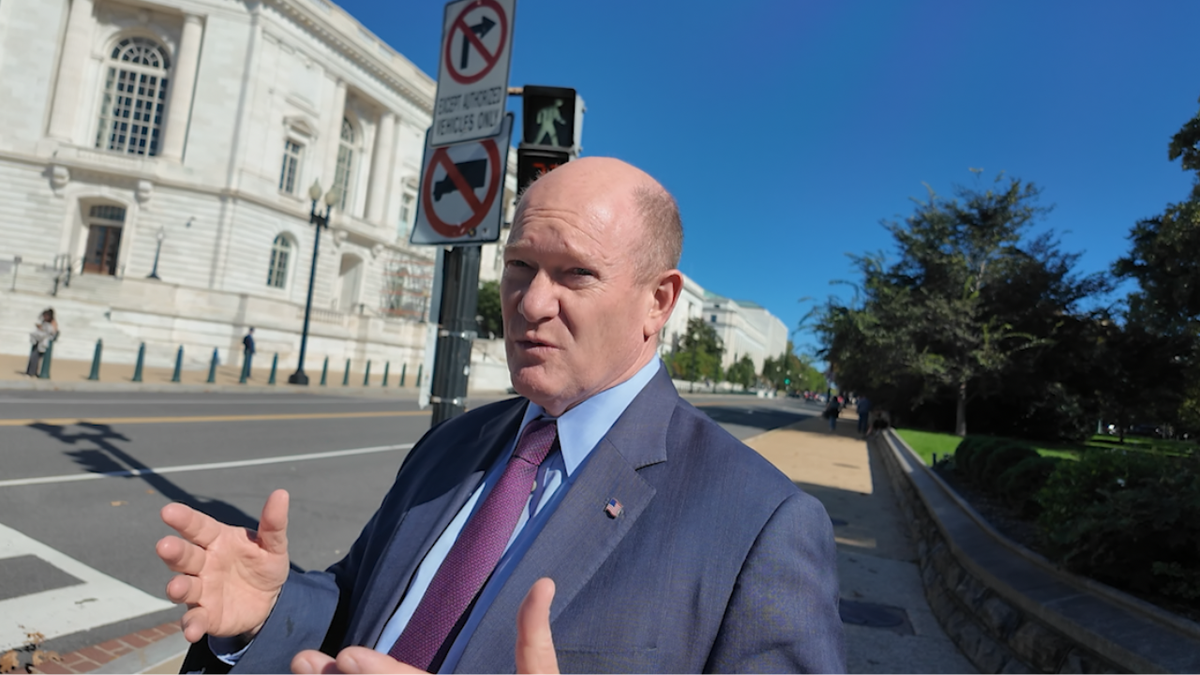
“These courts have jurisdiction based on the issue involved, so potentially if this meant that the judges were able not just to live elsewhere, but even hear oral arguments elsewhere, that could potentially be more convenient for some types of cases if they’re, say, involved parties on the opposite side of the country,” Berry told Fox News Digital.
Critics may argue that the proposed legislation could increase travel costs to taxpayers by requiring frequent travel for judges to and from D.C. Legal experts may also feel that the ability of judges to regularly meet face to face could lead to a loss of judicial collegiality.

Berry noted that some studies show that, during the Coronavirus pandemic, court decisions saw less dissents as judges spent less time in person with one another, but qualified possible concerns by stating that “all of the other regional courts of appeals have been basically working under such a system for over 100 years, and clearly it hasn’t gotten in the way from them doing the work that they’re meant to do.”
SUPREME COURT CHIEF JUSTICE PINPOINTS WHAT AMERICANS MISUNDERSTAND ABOUT HIM AND HIS COLLEAGUES
Neither expert felt that travel costs would be an issue in implementing this proposal.
“For a court that covers the entire country, we should be considering nominating judges from everywhere in America based on merit — not their proximity to the D.C. bubble,” Moody, herself a former Florida circuit judge and federal prosecutor, said of the legislation. “My Better Bench Act removes an outdated residency requirement to expand the pool of qualified Americans who can serve and allows our courts to be a better reflection of the nation as a whole.”
CLICK HERE TO DOWNLOAD THE FOX NEWS APP
The offices of Coons and Moody did not respond to requests for comment when reached by Fox News Digital on Thursday.
Read the full article here


