



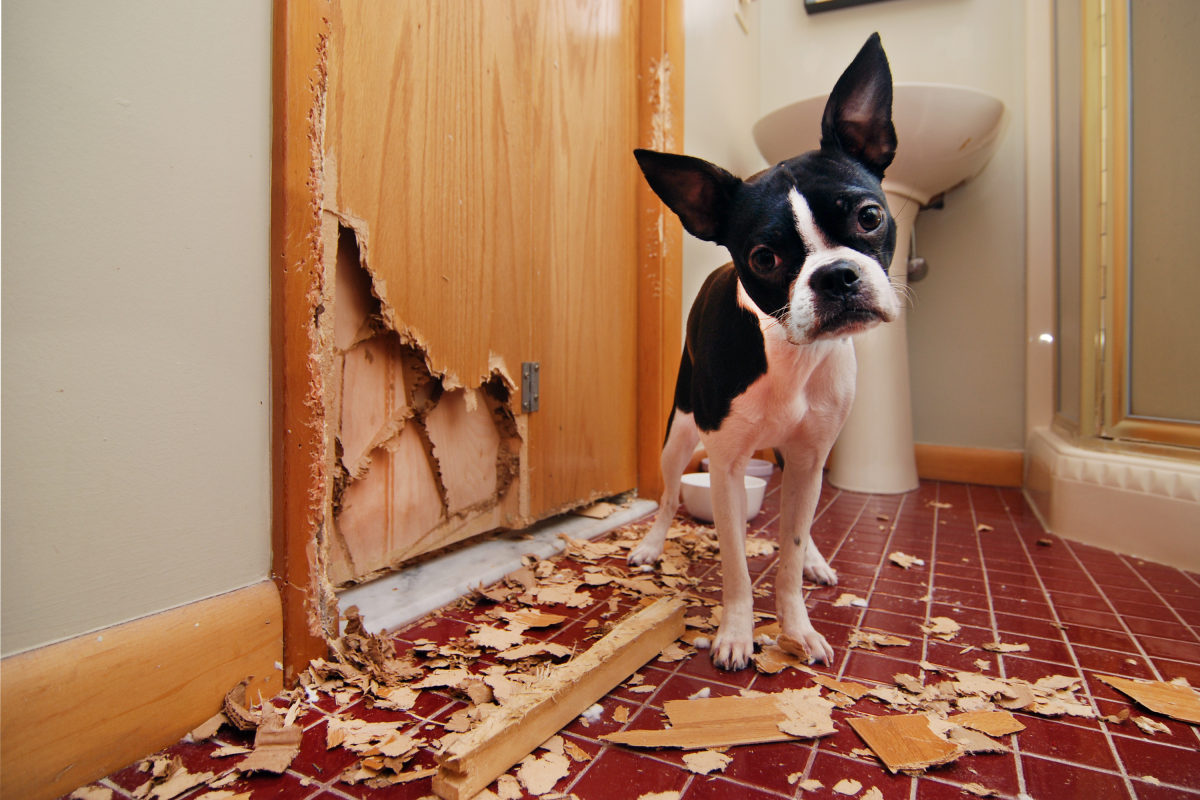
Some dogs are labeled “difficult,” but experts say the real issue often isn’t the pup—it is a mismatch between a breed’s natural behavior and a modern human lifestyle.
Dr. Nathaniel Rakestraw, a veterinarian with TelaVets.com, told Newsweek that many traits people struggle with today were once essential.
“A lot of dogs were originally bred to herd, guard and hunt, not to sit alone in an apartment for hours,” Rakestraw said. Behaviors such as high energy, barking, or protectiveness may feel disruptive now, but they are often hard-wired instincts that no longer fit sedentary routines.
That disconnect is echoed by Deby Cassill, an associate professor and animal behavior researcher at the University of South Florida.
She told Newsweek that behaviors clashing with modern homes were originally adaptive. Herding dogs, for example, were selected for vigilance, endurance, and fast reactions to movement.
In quieter homes, those same traits can look like restlessness, nipping, or compulsive behavior. Guardian dogs may be called “difficult” when their natural suspicion is triggered by frequent visitors or unpredictable environments. Cassill emphasized these are not flaws, but mismatches shaped by evolution.
Both experts agree behavior is influenced by more than breed alone. Rakestraw said it is “a mix of both,” noting that, while breed traits such as energy level or prey drive matter, environment, training, and past experiences shape how those traits appear day to day. The same dog can behave very differently depending on the home.
Cassill added that early socialization, consistent training, and a predictable household often have a greater impact than breed alone.
Highly intelligent dogs, she noted, learn quickly—but they can also pick up undesirable habits just as fast if reinforcement is inconsistent. Independent or guardian-type dogs may be labeled stubborn or reactive when they simply require different handling strategies.
Intelligence and independence can also work against owners who are unprepared. According to Rakestraw, smart dogs become bored without mental stimulation, while independent canines may not be driven to constantly please. Guardian breeds can be deeply loyal yet cautious if they are not properly socialized.
So why do some dogs seem overwhelming in one home and perfectly balanced in another? “It comes down to lifestyle match,” Rakestraw said.
A high-energy or intense pup may struggle with an inactive owner but thrive with someone who enjoys structure and training. Cassill said there are very few “bad dogs,” but many mismatches between canines and human routines.
Both experts stressed that choosing a dog based on looks or reputation is a common mistake. Rakestraw warned that people often overlook daily demands, pointing out that popular “smart” or low-shedding breeds can come with significant grooming or time commitments.
Cassill highlighted additional pitfalls, including reliance on stereotypes and underestimating the needs of adolescent dogs.
Ultimately, both said that prevention matters. Early guidance, realistic expectations, and honest assessments of time and activity levels can make the difference between frustration and a successful bond.
As Cassill noted, the best predictor of success is not the breed itself, but how well a dog’s behavioral needs align with an owner’s real life.
Do you have funny and adorable videos or pictures of your pet you want to share? Send them to life@newsweek.com with some details about your best friend, and they could appear in our Pet of the Week lineup.
Read the full article here


