




Well-intended gun law reform by national and NSW governments following the horrific terrorist attack at Bondi Beach in December 2025 is only serving to widen Australia’s city/country divide.
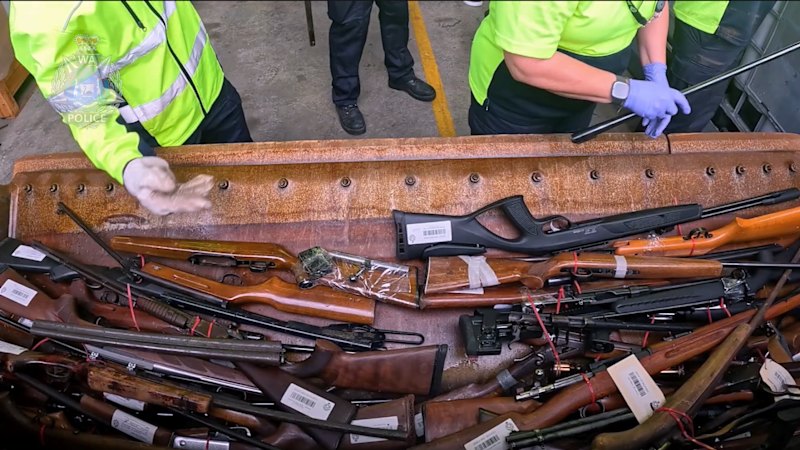
Prime Minister Anthony Albanese and Premier Chris Minns on Sunday announced a NSW gun buyback scheme, offering compensation of up to $1000 for surrendered weapons. It will also limit ownership to four weapons, with exceptions for farmers and professional shooters, who are restricted to 10. It starts in November. A second phase next year will cap compensation at $10,000 per firearm.
The suddenness of the announcement caught many unprepared. It also angered gun owners concerned that the governments not only do not understand their needs, but are also offering peanuts for compensation.
Despite the lack of uniform approval for a buyback, the fact is that the national cabinet agreed to do it, security agencies and police want it, and April’s interim report of the royal commission on antisemitism explicitly recommended that the Commonwealth, states and territories implement it.
With NSW steaming ahead, the ACT and Tasmania have agreed in principle, but funding remains a sticking point. Western Australia completed its own buybacks in January and is willing to participate in the federal scheme. But Queensland and Victoria won’t have a bar of it. The Northern Territory is refusing to pay, and South Australia is still hedging it bets.
The Herald is broadly in favour of a new national gun buyback scheme. Australia has more than 4 million firearms owned by civilians – about one weapon for every seven Australians – a 25 per cent increase since the 1996 Port Arthur massacre. About a quarter of the weapons are in NSW.
Since the Bondi Beach shootings, when gun reforms were signalled, the Sporting Shooters’ Association of Australia has claimed it a rush in applications from women seeking firearms training to obtain gun licences and ensure their partners will not be disadvantaged by reduced limits on firearm ownership.
In 1996, John Howard was widely praised for his tough gun control measures on automatic and semi-automatic weapons following the Port Arthur massacre. He was greatly aided by strong support from National Party leader Tim Fischer, even though the reforms were opposed by much of the Nationals’ rural base.
But such bipartisanship is absent from Australian politics today. The political divide has One Nation rushing in to fan opposition against gun laws, and this has caught the Liberal Party and the Nationals out, leaving them stuck between trying to reclaim urban heartlands and keeping faith with the bush, all while fending off the Hansonites.
Meanwhile, Albanese and Minns are happy to let the conservatives argue.
However, the anger and confusion surrounding the reforms highlight the need for governments to consider the demands of law-abiding gun owners who bear the brunt of change. There are strong arguments for proper compensation at market value, as well as questions over the number of allowable weapons for rural users.
A buyback alone will not prevent future terrorist attacks. Governments must also crack down on illegal firearms and address the intelligence lapses that led to Bondi Beach last Hanukkah.
Start the day with a summary of the day’s most important and interesting stories, analysis and insights. Sign up for our Morning Edition newsletter.


From our partners
Read the full article here


