



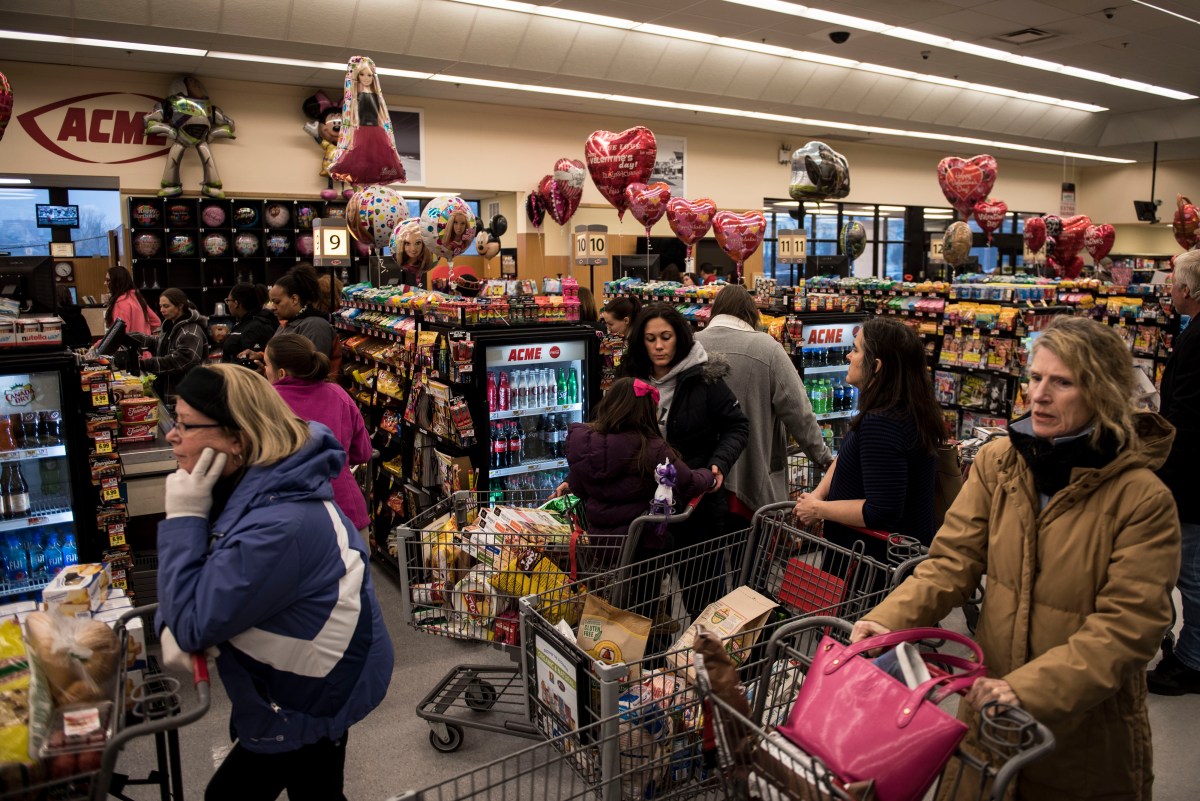
With a powerful winter storm set to sweep across the country later this week, Newsweek has compiled advice on how to prepare ahead of time.
Where Will the Winter Storm Hit?
The Weather Prediction Center said in an update early Thursday morning that the “large, long duration winter storm” is forecast to deliver widespread heavy snow, sleet and freezing rain from the Southern Rockies and Plains into the Mid-South starting Friday, then push east into the Mid‑Atlantic and New England over the weekend. Effects could continue into Monday in New England, it added.
On Tuesday, Meteorologist Dylan Federico wrote on X that the wintry weather expected to hit later this week could be “potentially catastrophic.”
What You Should Do in Winter Storm Power Outage
“Everyone experiences power interruptions from time to time. Unfortunately, many of these outages come at times of weather extremes or accompany various disasters,” the University of Georgia’s Home Emergency Preparedness Handbook said. “When the power is out, safety becomes a major concern.”
It advised the following steps in the event of a power outage:
- Operate portable generators, outside, away from flammable materials, children and pets.
- Connect lights and appliances directly to a generator, not to an existing electrical system.
- Disconnect appliances and electronics to avoid damage from electrical surges.
- Leave one light switch in the on position to alert you when service is restored.
- When using kerosene heaters, gas lanterns or stoves inside the house, maintain ventilation to avoid a buildup of toxic fumes. Never use charcoal or gas barbecues inside; they produce carbon monoxide. A natural or LP gas heater (e.g., gas logs, etc.)—not butane—is a good source of auxiliary heat during power outages. Neither requires electricity, but care must be taken to make sure they are properly installed.
- Conserve water, especially if you are on a well.
- Keep doors, windows and draperies closed to retain heat in your home.
- Keep refrigerator and freezer doors closed. If the door remains closed, a fully loaded freezer can keep foods frozen for two days.
- If the temperature in the refrigerator is 40 degrees or higher, then you should dispose of the food.
- Be extremely careful of fire hazards caused by candles or other flammable light sources.
Winter Storm Preparedness Checklist
The American Red Cross advised taking the following steps before a winter storm’s arrival:
Plan To Stay Warm
- Stay warm indoors to prevent frostbite and hypothermia.
- Before the winter season begins, make sure you can heat your home safely. Prepare your home to keep out the cold with insulation, caulking and weather stripping.
- Consider using an indoor thermometer or thermostat to monitor the temperature inside.
- Plan to check on loved ones and neighbors to make sure they are staying warm. This is especially important for older adults and babies.
- Drink plenty of warm fluids but avoid caffeine and alcohol.
- Avoid travel if you can.
- If you must go outside, plan to dress properly. Keep your nose, ears, cheeks, chin, fingers and toes covered in warm, dry clothing. These areas are the first to be at risk for frostbite.
- Wear layers of loose clothing, a coat, hat, mittens and water-resistant boots. Use a scarf to cover your face and mouth.
- Know where you will go if your home becomes too cold. You could go to a friend’s house, a public library or a warming center.
Gather Emergency Supplies
- Gather food, water and medicine before a winter storm. Stores may be closed, and it may be unsafe to travel.
- Organize supplies into a Go-Kit and a Stay-at-Home Kit.
- Go-Kit: at least three days of supplies you can carry with you if you need to go somewhere else to stay warm. Include critical backup batteries and chargers for your devices (cellphone, CPAP, wheelchair, etc.).
- Stay-at-Home Kit: at least two weeks of supplies.
- Ensure you have enough warm clothing—such as hats, mittens and blankets—for everyone in your household.
- You may lose access to drinking water. Set aside at least 1 gallon of drinking water per person per day.
- Consider having emergency supplies in your vehicle, such as a blanket, warm clothing, a first aid kit and boots.
- Have a one-month supply of needed medications and medical supplies. Consider keeping a list of your medications and dosages on a small card to carry with you.
- Keep personal, financial and medical records safe and easy to access (hard copies or securely backed up).
- Have a snow shovel and ice-melting products to keep your walkways safe.
- Stock up on winter storm preparedness kits, supplies and other first aid supplies.
For vehicles, the National Weather Service (NWS) advised making sure all your vehicle’s fluid levels are topped up and checking that the lights, heater and wipers are working properly. Keep the gas tank close to full to help prevent ice from forming in the tank or fuel lines. Avoid traveling alone, and share your schedule along with your primary and backup routes, it said.
Dial 511 for up‑to‑date traffic, construction, weather conditions and any travel restrictions. It added: “Every state offers this Department of Transportation service. Call before you leave; it might change your plans!”
It also suggested carrying a winter storm survival kit with the following items:
- Mobile phone, charger, batteries
- Blankets/sleeping bags
- Flashlight with extra batteries
- First aid kit
- Knife
- High-calorie, nonperishable food
- Extra clothing to keep dry
- Large empty can to use as emergency toilet, tissues, toilet paper and paper towels
- Small can and waterproof matches to melt snow for drinking water
- Sack of sand or cat litter for traction
- Shovel
- Windshield scraper and brush
- Tool kit
- Tow rope
- Battery booster cables
- Water container
- Candle and matches to provide light and, in an emergency, lifesaving heat.
- Compass and road maps, don’t depend on mobile devices with limited battery life
Winter Storm Grocery List
The NWS Home Winter Survival Food Checklist includes canned fruits and vegetables and high-energy foods such as crackers, nuts, fruit bars and chips.
Soups, as well as cookies and hard candy, are also recommended, though the agency noted that some soups would require water or heating.
Bread (which can be kept frozen for longer life) and condiments also feature on the list, as do ready-to-eat meals.
The agency also recommended cereal, toaster pastries and 1 gallon of bottled water per person, per day—for at least three days.
Differences Between Winter Storm and Ice Storm
The National Severe Storms Laboratory explains that a winter storm consists of a mix of heavy snow, blowing snow and/or dangerous wind chills. “A winter storm is life-threatening,” it warned on its website.
Meanwhile, an ice storm is a storm that leads to the buildup of at least 0.25 inches of ice on exposed surfaces, according to the agency.
“They create hazardous driving and walking conditions,” it said. “Tree branches and powerlines can easily snap under the weight of the ice.”
Those in the storm’s potential path should monitor local weather updates from the NWS for the latest information.
Read the full article here


