




A woman who filmed herself working out while pregnant later discovered she had cancer—unaware at the time it was already developing.
Ashlee Downie was diagnosed with melanoma—a serious type of skin cancer that develops from pigment‑producing cells in the skin—despite feeling “healthier than ever.”
Downie shared footage of herself training in the gym online, capturing what she described as a moment she felt strong, active and in control of her body.
She wrote: “When I watch these clips now, they break me a little. Not because I feel sorry for that version of me, but because she had no idea what was coming.”
Looking back now, she said the videos are difficult to watch.
Downie first noticed a dark, scab-like mark on the back of her leg. Concerned by how it looked, she sought medical advice straight away—but said her worries were repeatedly dismissed.
“Because of how dark it looked, I went straight to my GP, but it was dismissed immediately as an infected hair follicle,” she told Newsweek. “I was given cream and sent away.”
Over the following months, the mark continued to grow and change. Despite returning for further appointments, Downie said she was reassured it was nothing serious—partly because of her age.
“At one point I was told, ‘If you were 80, I would refer you, but because of your age, I won’t,’” she said.
By that time, Downie had become pregnant, and the demands of preparing for motherhood meant she pushed the issue to the back of her mind. But as her pregnancy progressed, she said the mark became impossible to ignore.
“By the end of my pregnancy, it had become huge. Honestly, it looked like an alien growing out of my skin,” she said.
Shortly after giving birth to her son Caruso via emergency C-section, she returned to her doctor and insisted on further investigation. She was referred for an urgent appointment and diagnosed with malignant melanoma, a serious form of skin cancer.
According to Mayo Clinic, melanoma is often first identified through changes to the skin, such as a mole that grows, bleeds or alters in shape or color. Early detection significantly improves outcomes, making prompt checks of unusual marks critical.
Following surgery, Downie learned that the cancer had spread to her lymph nodes. She is still undergoing treatment, three years after first noticing the mark.
The diagnosis had a profound impact on her early experience of motherhood, which she said has affected her in ways she ‘can’t put into words.’”
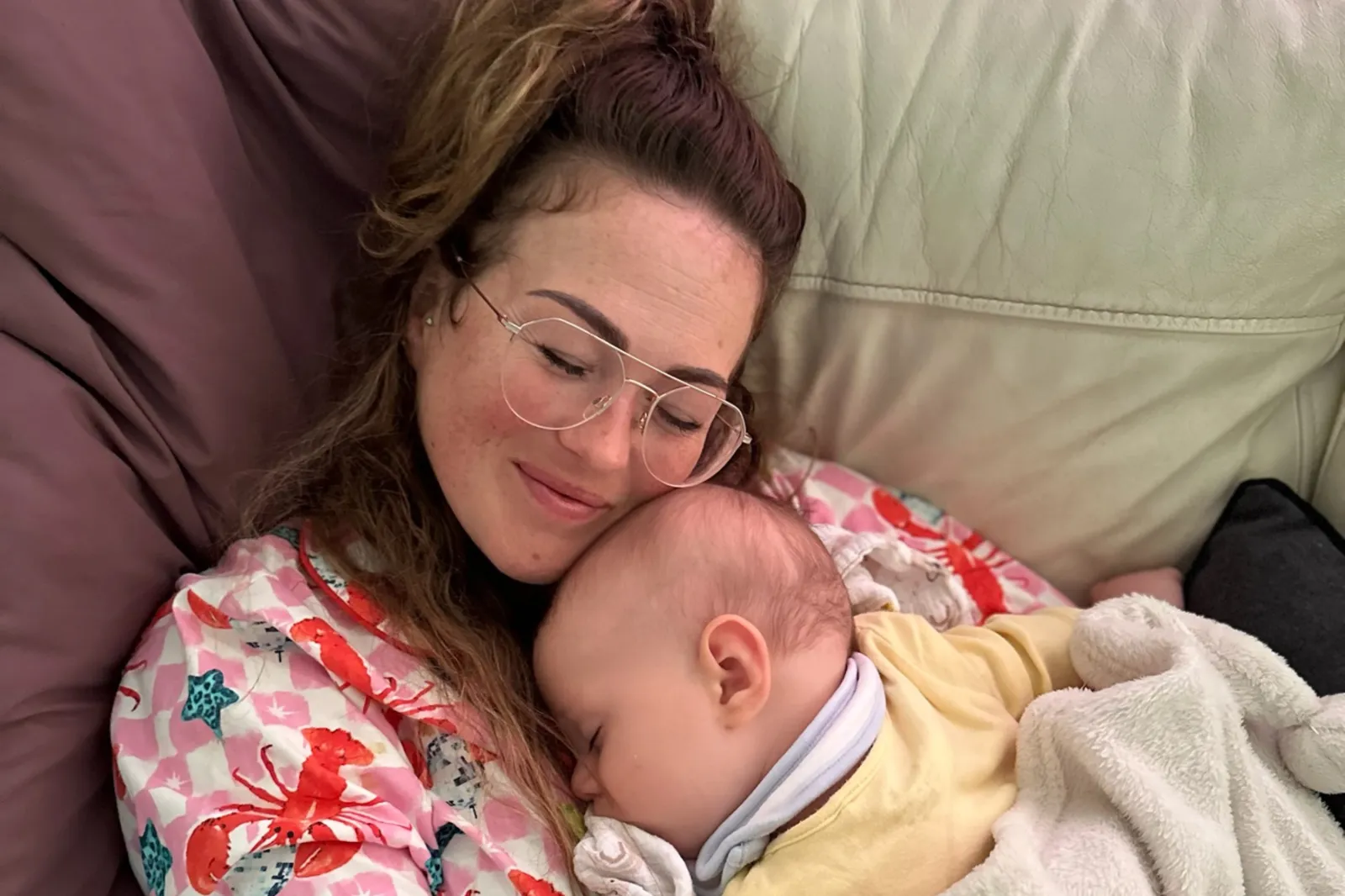
Downie was forced to stop breastfeeding soon after giving birth due to complications following surgery, something she described as “heartbreaking.” Ongoing treatment and recovery also limited her mobility, meaning she often cared for her son from the couch during his first year.
“There are so many things I imagined doing with him that I still haven’t been able to do, even simple things like taking him swimming,” she added.
Despite the challenges, Downie said her son has become her greatest source of motivation.
“On the hardest days, when treatment, surgery, or recovery felt unbearable, he gave me a reason to keep going,” she said. “Becoming his mom completely changed my perspective. He reminds me every day why I’m fighting so hard, and he’s brought light into some of the darkest moments of my life.”
Before her diagnosis, Downie worked as a personal trainer and associated strength with physical endurance and performance. That definition has since changed.
“I associated strength with how much you could lift in the gym, pushing yourself harder and always being able to keep going no matter what,” she said. “I thought being strong meant being independent, capable and never showing vulnerability. Now, strength means something completely different to me.”
Downie is sharing her story around Melanoma Awareness Month, which encourages people to monitor changes in their skin and seek medical advice if they notice anything unusual.
According to charity Melanoma Fund, around 86 percent of melanoma cases are considered preventable, and early diagnosis can be life-saving.

Downie’s message to others is clear.
“Please trust your instincts and advocate for yourself,” Downie said. “If sharing my story encourages even one person to get a mole or skin change checked earlier, then something positive can come from what my family and I have been through.”
Read the full article here


