



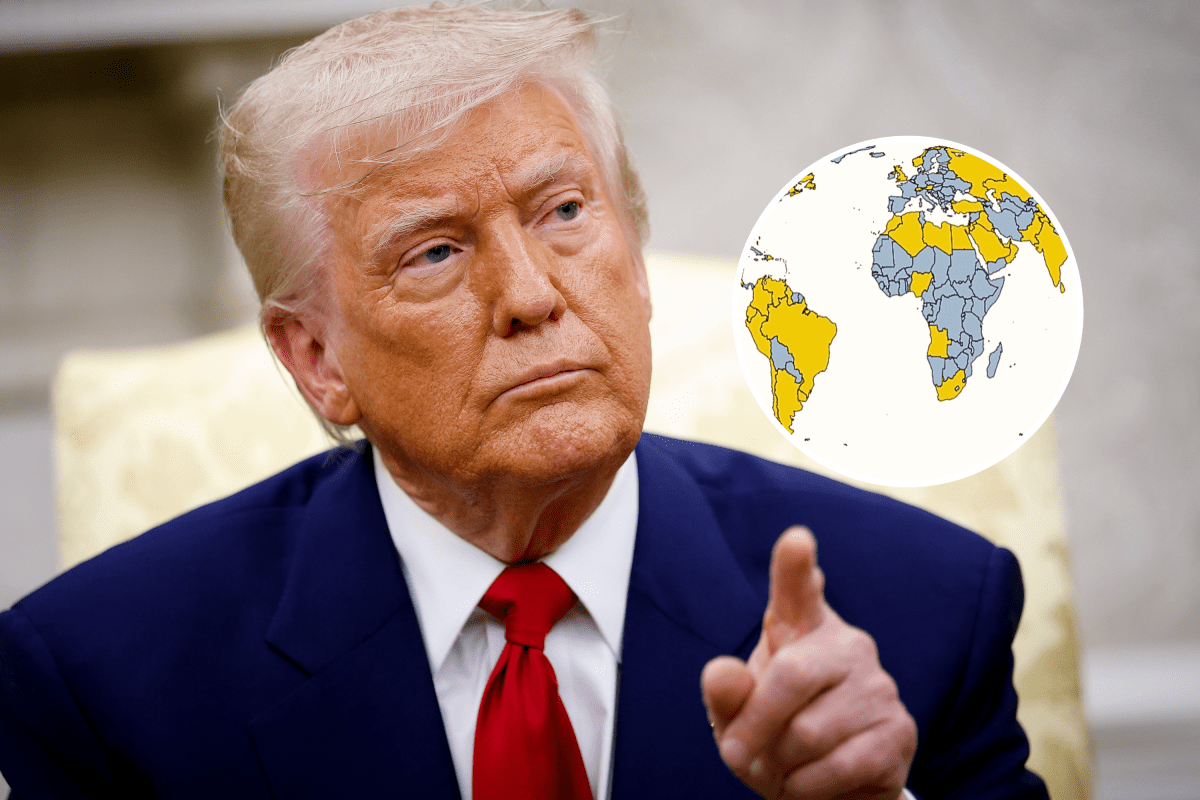
The United States has proposed sweeping new tariffs on imports from 60 world economies, a move that could reshape global trade—and potentially push up prices on everyday goods for consumers.
The plan, put forward by the U.S. Trade Representative (USTR) on June 2, would impose tariffs of between 10 percent and 12.5 percent on a wide range of imported products.
At the center of the policy is a simple argument: U.S. officials say many of the country’s biggest trading partners are not doing enough to stop goods made with forced labor from entering global markets.
If implemented, the proposal would affect goods from some of the United States’ largest trading partners—including China, the European Union, Japan, and the United Kingdom—while also extending to dozens of smaller economies across multiple regions.
What It Means for Your Money
For consumers, the implications are direct: tariffs are effectively taxes on imports, and those costs are often passed through supply chains, increasing prices at the checkout.
That means everyday products such as clothing, electronics, household goods and car parts could become more expensive if the proposal takes effect.
Economists broadly note that tariffs tend to raise costs. Previous U.S. trade actions have been linked to higher consumer prices as importers and retailers adjust pricing to cover additional expenses.
Newsweek contacted the USTR via email on Thursday morning for comment.
Why the U.S. Is Proposing the Tariffs
At its core, this policy is a pressure tactic. U.S. officials argue that many countries have failed to properly enforce bans on importing goods made with forced labor.
That, they say, allows some foreign producers to operate more cheaply, undercutting American businesses.
Their plan is straightforward:
- If a country has some protections in place, its exports face a 10 percent tariff
- If it does not, the tariff rises to 12.5 percent
In simple terms, if countries do not improve enforcement, their goods become more expensive to sell in the U.S.
What the Policy Actually Does
At its core, the plan is designed to make access to the U.S. market more expensive for countries the U.S. says are not meeting labor standards.
Officials say the aim is to push governments to tighten enforcement against forced-labor-linked imports rather than directly target consumers.
However, because tariffs are applied at the border, importers initially pay the cost—and those costs can then flow through to retailers and shoppers.
Why Prices Could Rise
If implemented, price increases could happen in several ways:
- Importers facing higher border taxes
- Retailers passing on higher costs to protect margins
- Domestic producers adjusting prices when foreign competition becomes more expensive
While companies may absorb some of the cost, analysts generally say a significant portion is often passed on to consumers.
What Goods Could Be Affected
Products potentially exposed to higher costs include:
- Electronics
- Clothing and textiles
- Household goods
- Automotive parts
The scale of impact would depend on how broadly tariffs are applied and whether companies shift sourcing to other countries.

Full List Of Economies Targeted
According to the USTR, economies facing tariffs include Australia, Brazil, China, the EU, Hong Kong, India, Japan; Russia and the United Kingdom.
Others include: Algeria; Angola; Argentina; The Bahamas; Bahrain; Bangladesh; Cambodia; Chile; Colombia; Costa Rica; Dominican Republic; Egypt; El Salvador; Guatemala; Guyana; Honduras; Iraq; Israel; Jordan; Kazakhstan; Kuwait; Libya; Malaysia; Morocco; New Zealand; Nicaragua; Nigeria; Norway; Oman; Peru; Philippines; Qatar; Russia; Saudi Arabia; Singapore; South Africa; South Korea; Sri Lanka; Switzerland; Taiwan; Thailand; Trinidad and Tobago; Türkiye; United Arab Emirates; Uruguay; Venezuela; Vietnam; Canada; Ecuador; Indonesia; Mexico; and Pakistan.
What Happens Next
No tariffs have taken effect yet. The proposal is still going through a formal process, including:
- Written public comments due July 6, 2026
- Public hearings scheduled for July 7, 2026
That means key details—including the final scope, timing and possible exemptions—could still change.
What Happens Next For Consumers
For now, most shoppers will not see immediate price increases tied directly to this policy. But if the tariffs are approved and implemented, the effects could ripple through supply chains over time.
Past tariff rounds have shown that price changes often take weeks or months to become visible, depending on how quickly businesses adjust sourcing and pricing.
There is also uncertainty. Some companies may absorb costs. Others may shift production to countries not affected by the tariffs. And policymakers could still refine or scale back the plan after public feedback.
Read the full article here


