



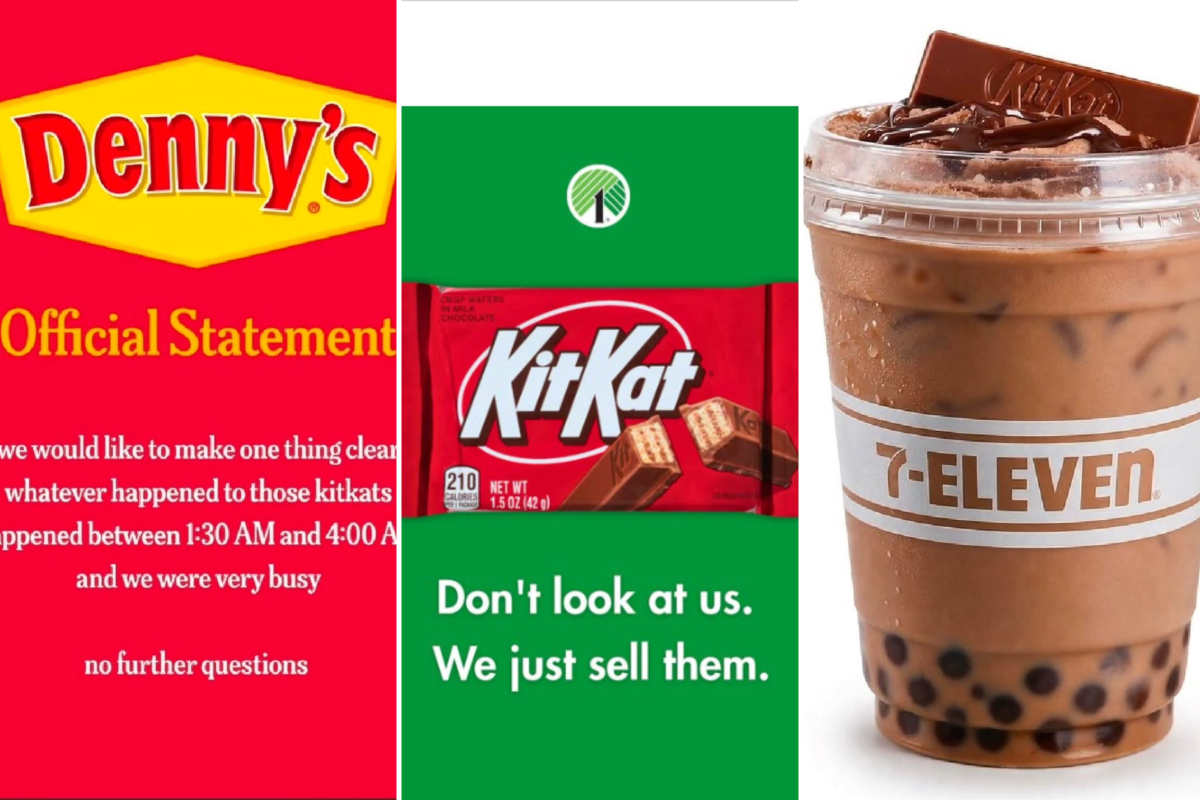
The news last week out of Europe sounded almost too absurd to be real: 12 tons of KitKat chocolate bars vanished somewhere between Italy and Poland in a brazen cargo heist.
As Newsweek noted, those 413,793 limited edition Formula 1 car-shaped chocolate bars—roughly the weight of two grown elephants—were bound for Easter tables across the continent. Instead, the edible automobiles remain unaccounted for, with the culprits still at large.
While the headlines may invite a chuckle, nothing is amusing about what the heist represents. From chocolate bars overseas to electronics, eggs, and even lobsters here at home, cargo theft is rapidly evolving into a sophisticated global criminal enterprise. Today’s cargo thieves increasingly rely on brains over brawn, using deception and digital tools to steal thousands of dollars’ worth of goods in one fell swoop.
These tech-savvy crime rings stalk distribution centers or pose as legitimate trucking companies to gain access to loads. Using identity theft, stunningly convincing impersonator websites, and GPS spoofing, they intercept freight before it reaches its destination, then quickly resell it domestically or on the black market overseas.
The result: $18 million in losses for the U.S. trucking industry every single day.
The consequences land squarely on the shoulders of American consumers. When cargo is stolen, companies are forced to pay higher insurance premiums and invest more in security measures.
Those costs don’t simply disappear. They are passed along in the form of higher prices at checkout, fewer products on store shelves, and longer wait times for everyday goods. At a time when families are already grappling with affordability issues, unchecked cargo theft of consumer staples only adds more pressure to household budgets.
And for small and family-owned trucking companies, the stakes could not be higher. A single stolen load can wipe out already thin margins or deliver a coup de grâce amid a prolonged freight recession.
Despite the FBI and Department of Homeland Security flagging cargo theft as a growing national threat, federal resources and coordination have not kept pace. Law enforcement agencies remain stretched thin, and a patchwork of jurisdictions makes it difficult to dismantle multistate theft rings. Weak enforcement has turned cargo theft into a low-risk, high-reward business model, with just one in 10 cases ending in an arrest. The few punishments handed out are akin to a slap on the wrist.
That’s why Congress must act now.
The Combating Organized Retail Crime Act (CORCA) would strengthen coordination and data sharing among federal, state, and local authorities, giving law enforcement the training and funding they need instead of forcing them to fight with one arm tied behind their back.
It would not only establish a national cargo theft database but also recognize that cargo theft is a serious threat to our economic security and the affordability of everyday goods.
The bipartisan momentum behind CORCA reflects a growing understanding that this is not a partisan issue. Protecting our supply chain and shielding consumers from avoidable price hikes is a national priority we must all get behind, especially as Americans face rising gas prices and global instability.
The KitKat heist may have grabbed headlines, but it’s only one example of a much larger trend. Without action in Washington, these crimes will become more frequent and more costly—not just for the trucking industry, but for every American who depends on it.
America’s truckers deliver the goods that keep our economy moving. It’s time for policymakers to pass CORCA and deliver the support needed to protect them and the consumers they serve.
Evan Fallor is the Senior Director, Policy Communications and Media Relations at American Trucking Associations.
The views expressed in this article are the writer’s own.
Read the full article here


