



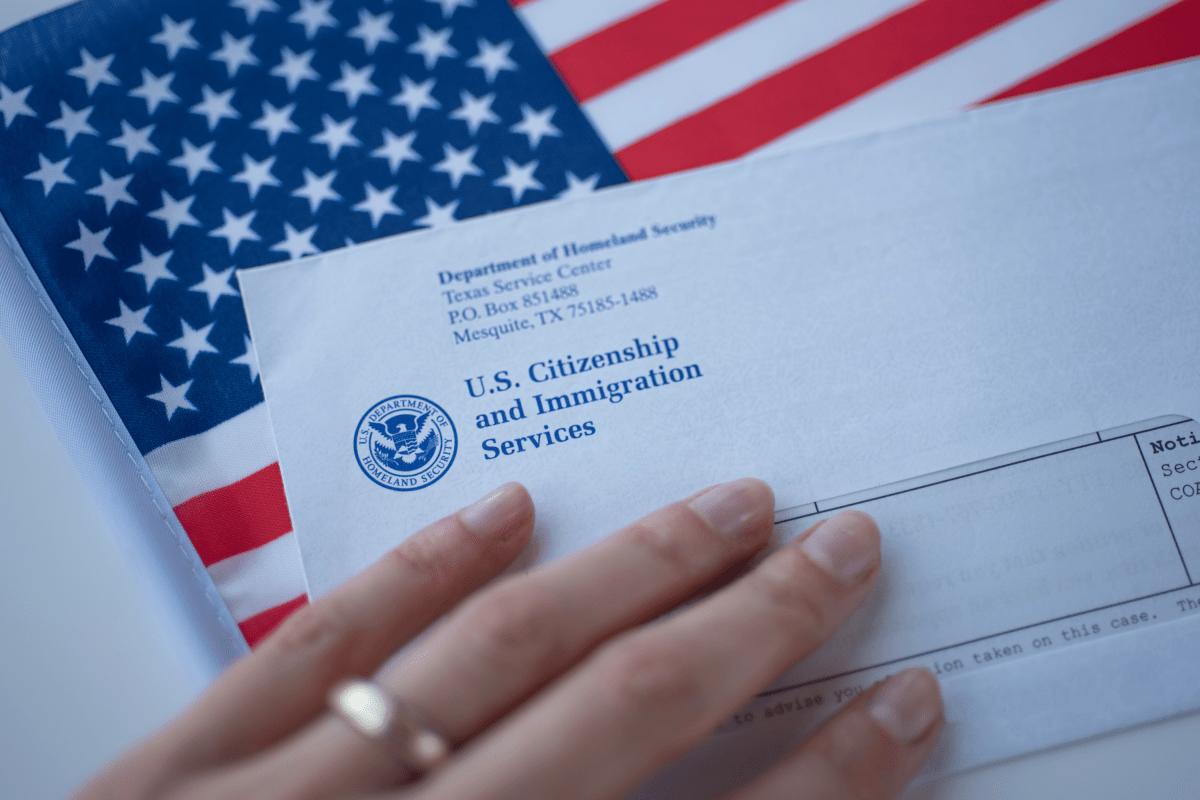
New U.S. visa rules are now in force, requiring travelers from dozens of countries to post bonds of up to $15,000 before receiving business or tourist visas.
Why It Matters
President Donald Trump’s administration has spent the past year tightening legal immigration rules, arguing that existing visa programs allow too many visitors to overstay.
The visa bond policy, first introduced as a pilot, has now expanded significantly, affecting a far wider group of travelers.
What To Know
As of this week, the United States has expanded its visa bond program for B‑1 and B‑2 visas, which are used for short‑term business travel and tourism.
Under the rule, certain applicants may be required to post a bond of $5,000, $10,000, or $15,000 before a visa is issued.
State Department officials say the bonds are intended to deter visa overstays.
If a traveler leaves the United States before their visa expires, the bond is canceled and the money is returned, and if they overstay or violate visa terms, the bond can be forfeited.
The policy does not apply automatically. A consular officer determines whether a bond is required during the visa interview, and many applicants will not be asked to pay one.
List of Countries Impacted
The latest expansion brings the total number of countries subject to the B‑1/B‑2 visa bond requirement to 50.
The 12 countries newly added under the rule now in effect are:
- Cambodia
- Ethiopia
- Georgia
- Grenada
- Lesotho
- Mauritius
- Mongolia
- Mozambique
- Nicaragua
- Papua New Guinea
- Seychelles
- Tunisia
These countries join 38 others that were added in earlier phases of the program in 2025 and early 2026. The State Department has said countries are selected based on overstay rates and other immigration risk factors.
A Broader Shift in Visa Screening
The bond expansion is part of a wider tightening of non-immigrant visa screening.
Over the past year, the administration has also expanded embassy interview requirements, increased visa fees, and widened the use of social media vetting.
While much of the public attention has focused on work visas such as the H‑1B, the changes to B‑1 and B‑2 visas signal a broader enforcement approach affecting tourists and business travelers as well.
What Happens Next
The State Department has said the visa bond program may expand further, with countries added or removed based on immigration risk factors such as visa overstay concerns.
Immigration lawyers and advocacy groups are watching closely to see whether the policy is challenged in court or expanded further as the administration continues reshaping U.S. visa rules.
Read the full article here


