



NEWYou can now listen to Fox News articles!
Despite some tweaks this year, college football’s most controversial rule — targeting — is still in the rulebook, and that means it’s surely going to create some confusion and frustration among teams and their fan bases this season.
The rules around targeting are rooted in concern for players’ safety — both the player making the tackle and on the receiving end. But that doesn’t mean everyone fully understands the rules.
So as targeting calls seem to evolve in turn with the college football landscape, what do this year’s targeting penalties look like? And what is targeting? We’re here to break it down in simple terms.
What Is Targeting?
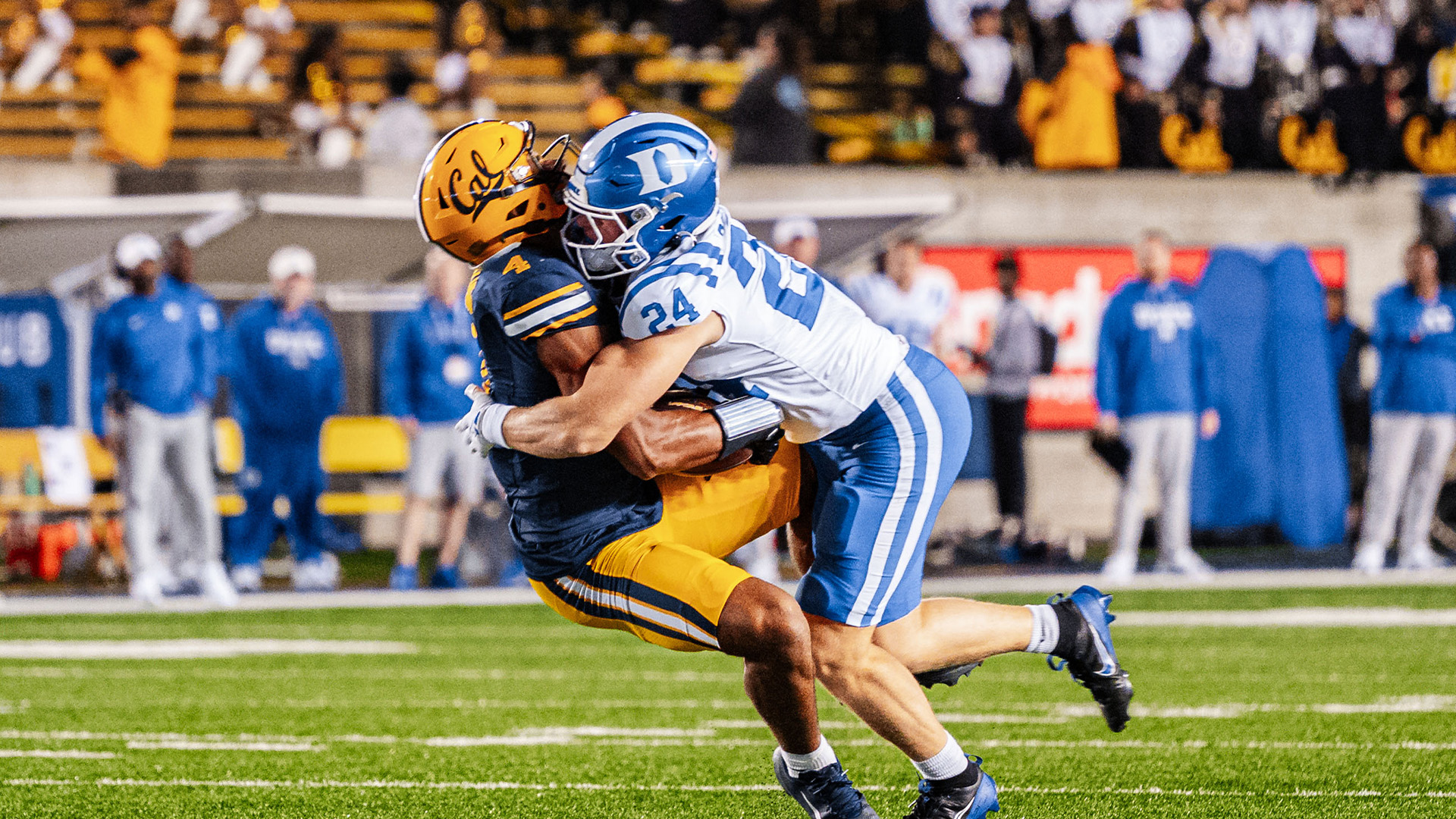
Targeting in college football, essentially, is when a player initiates forcible contact against an opponent beyond a routine legal tackle, block or play on the ball. And there’s an emphasis around players’ heads and necks.
OK, so what does that actually look like?
Targeting could mean a player leads with the crown of their helmet while making forcible contact OR it could mean making forcible contact above the shoulders of a defenseless opponent, especially with a helmet or shoulder.
When a targeting call is up for debate by officials, it’s ruled a foul. However, there still needs to be at least one indicator of targeting.
Some indicators of targeting — per the NCAA rulebook — include:
- Leading with helmet, shoulder, forearm, fist, hand or elbow to attack with forcible contact at the head or neck area.
- Lowering the head before attacking by initiating forcible contact with the crown of the helmet.
If a player leads with the crown of their helmet, it’s targeting, regardless of whether the player is defenseless.
Additionally, instant replays must confirm the targeting call because there is no “stands” option.
What’s The Penalty For Targeting?

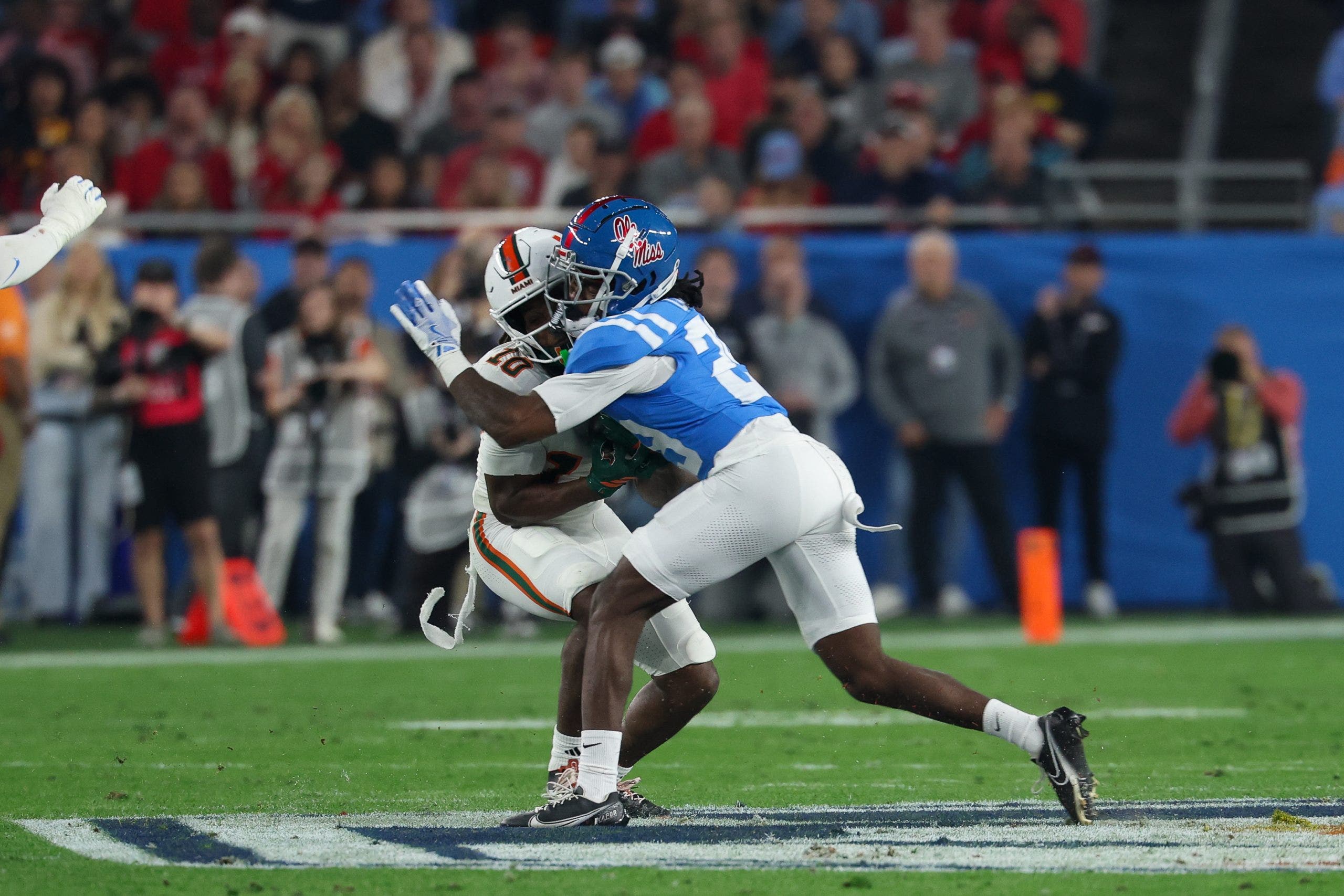
In the past years, the penalty — in the second quarter of play — used to be an automatic disqualification for the rest of that game and first half of the following game. This season, the rules have shifted to allow fewer disqualifications.
Now, if a player is ruled out for targeting in the second half, they do not face the first-half suspension. But, a second targeting that same season would force that player to face a first-half suspension the next game.
However, if the player commits three or more targeting penalties, individual conferences have the option to submit an appeal. The appeal process includes a video review by the NCAA national coordinator of football officials. If the appeal is accepted, the player does not face a suspension and is eligible to play for the full game.
Are Players Ejected For Targeting?
Yes, players are ejected for targeting.
A player will be ejected for the rest of the game if they commit a targeting foul. However, if a player commits the same penalty in the same season — specifically in the second half of a game — the player is ejected from the game and suspended from the first half of the next game.
If a player commits three or more targeting fouls in the same season, they are ejected for the remainder of the game, and receive a one-game suspension for the following game. The suspension also includes postseason competition.
The NCAA rulebook states the following:
“As an experimental rule for 2026, for a player’s first targeting foul in a season, disqualification for the remainder of the game with no carryover disqualification. If a player receives a second targeting foul within the same season, disqualification for the remainder of the game and the first half of the team’s next scheduled game within that season, including post-season games.”
Targeting College Football Rule Changes
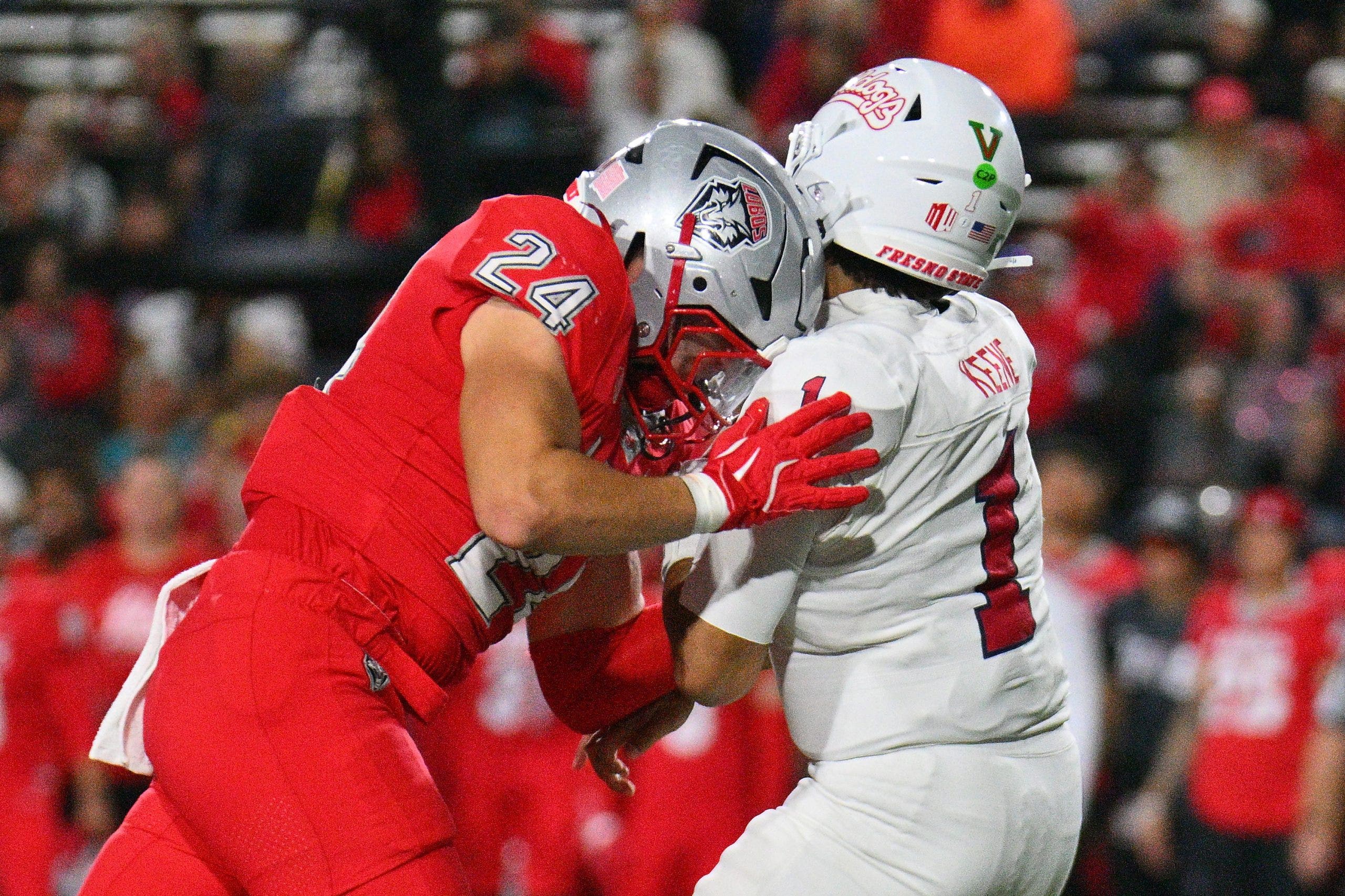
Despite the minor changes to the penalties, the rule may only be in effect for one season as an experiment.
“One of the biggest changes we’ve made for the good, once it goes to replay, you must confirm all aspects of targeting,” NCAA secretary-rules editor for football and national coordinator of officials, Steve Shaw, said via CBS Sports. “This is an experimental rule this year and the commissioners were content (on that) they wanted to make sure this doesn’t change behavior back and start a new trend of targeting.”
Read the full article here


