



When patients wait weeks for a doctor’s appointment or travel long distances to see a specialist, the strain is immediate. But the challenges driving those experiences have been building for years — and in many communities, they’re only becoming more acute.
The reality is that our health care system is facing a growing physician shortage at the same time patient needs are becoming more complex. The Association of American Medical Colleges projects the U.S. could face a shortage of up to 86,000 physicians by 2036. California is already feeling that strain, especially in primary care and certain specialties.
This is not a problem any one organization can solve alone. But large, mission-driven health systems have a responsibility to be part of the solution.
For us, that means doing more than delivering care. It means helping train the next generation of physicians and building stronger pathways into medicine for the long term.
That belief is what led us to partner with Santa Clara University to launch the Mark & Mary Stevens School of Medicine — the first new MD-granting medical school in California’s San Francisco Bay Area in more than a century.
This is bigger than opening a medical school. It’s part of a broader effort to help strengthen the physician workforce, expand access to care and prepare future doctors for a health care system that is changing rapidly.
Health care today looks very different from what it did even a decade ago. Patients are living longer and often managing multiple chronic conditions at once. Care is increasingly delivered across teams and settings — in hospitals and clinics, but also virtually and at home. And advances in technology and AI are beginning to reshape how physicians diagnose, treat and connect with patients.
Medical education has to evolve alongside those changes.
Future physicians will need exceptional clinical training, of course. But they will also need experience working in integrated care environments, using data and digital tools thoughtfully and understanding how to care for the whole person — not just a specific illness or condition.
That kind of preparation happens best when education is closely connected to real-world care delivery.
Health systems are uniquely positioned to help make that happen because we see the workforce challenges firsthand every day. We know where access gaps exist. We understand how shortages affect patients and care teams. And we have a responsibility to invest not only in today’s care, but in the future of health care itself.
Over the past several years, Sutter has expanded physician residency and fellowship programs across our system, particularly in communities where physician shortages are most pressing. By the end of 2027, we expect to train approximately 575 residents and fellows annually across 39 accredited programs.

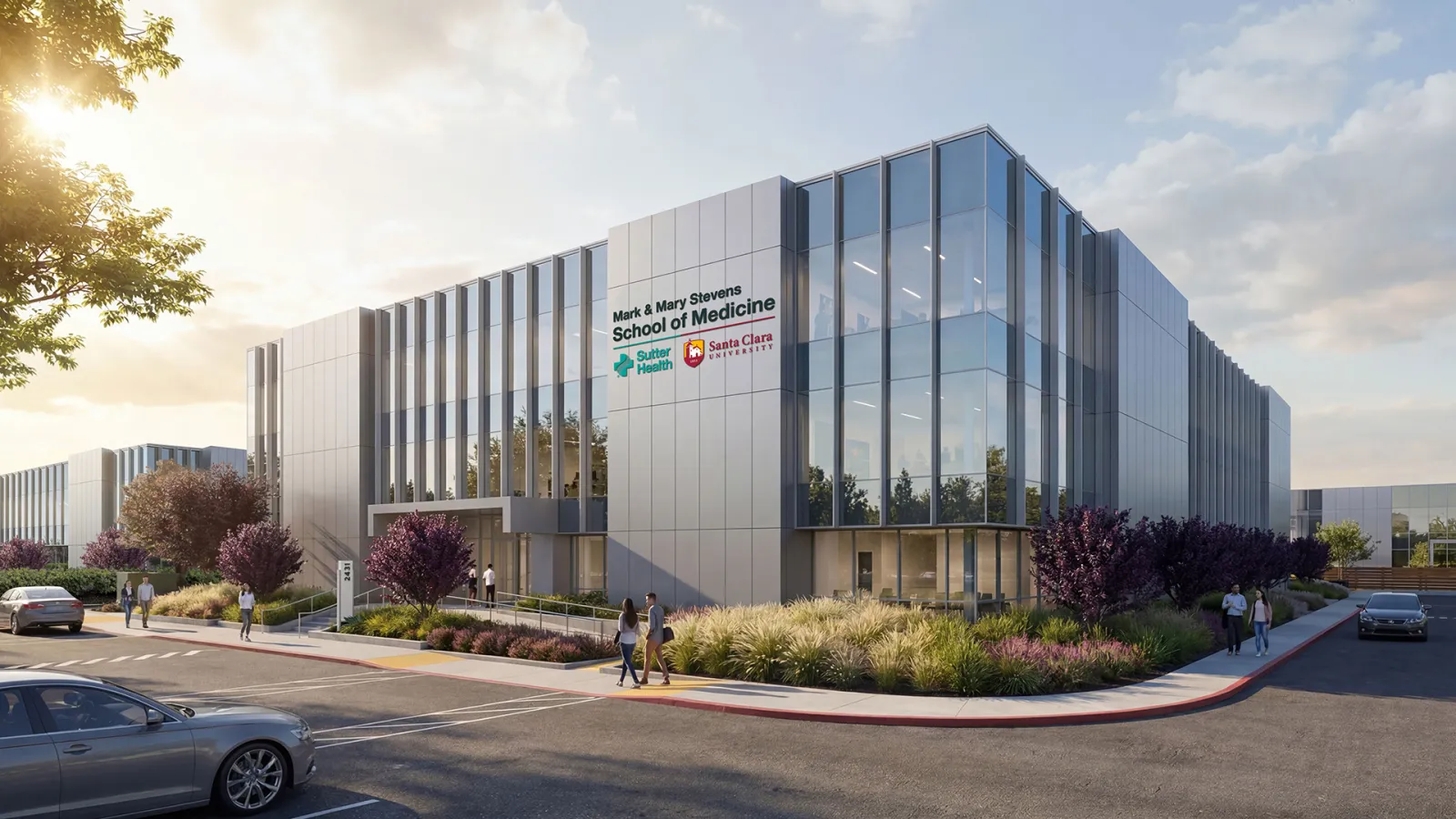
The new medical school builds on that foundation. It brings together medical education, research and clinical care within a large, integrated not-for-profit health care system where students can train alongside multidisciplinary teams and gain experience in the environments where health care is actively evolving.
Just as important, the partnership reflects a shared belief that medicine must remain deeply human, even as health care becomes more technologically advanced. Alongside innovation and scientific advancement, there is a strong emphasis on ethics, service and whole-person care — values that matter deeply in health care, especially at a moment when technology is advancing so quickly.
This kind of investment requires long-term thinking. Expanding the physician workforce does not happen overnight. It takes years of planning, partnership and sustained commitment from health systems, universities, policymakers and philanthropists.
But if we want patients to have better access to care in the future, we have to start building that future now.
For health systems, education can no longer be viewed as something adjacent to care delivery. It is central to it. Helping train the next generation of physicians is one of the most important ways we can strengthen health care for the communities we serve — not just today, but for decades to come.
Warner Thomas is a member of the Newsweek CEO Circle, an invite-only executive community of subscribers.
Read the full article here


